0₴
CheckoutHow to Choose Reliable Winter Footwear: 5 Essential Rules
N-SHOES — Season Novelties
Winter Women's Shoes
LONZA and ALLSY - 2026/27 Collection
5 Criteria for Choosing Quality Winter Shoes
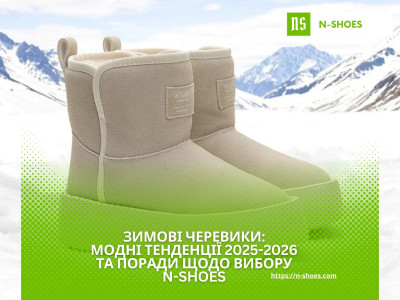
The new winter shoe collection by LONZA and ALLSY is already available at N-SHOES. Boots, knee-high boots, and ankle boots made of natural materials, designed for the Ukrainian climate — where looking flawless and feeling warm are equally important.
Collection Brands
LONZA
The LONZA line combines classic shape architecture with modern insulation technologies. Leather boots and knee-high boots on a stable heel with a slip-resistant sole. Shoes for those who value understated elegant style and durability of materials.
ALLSY
The ALLSY collection offers bolder silhouettes: minimalist shapes, bright shades of suede and nubuck, and lighter models for an active urban rhythm. The thermoplastic elastomer sole ensures flexibility and traction even on snow-covered asphalt.
How to Choose Quality Winter Shoes
01 — Material
Leather, Nubuck, or Suede
Genuine leather shoes are the optimal choice for winter: natural breathability prevents your feet from sweating, and with proper care, leather boots or knee-high boots will last several seasons. Nubuck and suede attract with expressive shades and textures, but require special impregnation and regular cleaning — especially in conditions of slush and road chemicals. Both LONZA and ALLSY collections use exclusively certified natural materials.
02 — Insulation
Natural Fur and Sheepskin
The most effective insulation in winter shoes is natural sheepskin. It doesn't matte, doesn't lose its volume throughout the wear period, and retains heat even at sub-zero temperatures. Unlike faux fur, sheepskin doesn't accumulate odors and remains soft to the touch season after season. LONZA models lined with natural sheepskin are the most popular items in the new N-SHOES collection.
03 — Sole
Thickness and Tread
For women's winter shoes, the minimum sole thickness is from 7 mm, and for men's — from 1 cm. The deeper and more textured the tread, the higher the anti-slip properties. The sole material determines its flexibility: polyurethane is lightweight and frost-resistant; thermoplastic elastomer (TPE) is elastic and springs well while walking; PVC is budget-friendly but less resistant to low temperatures. The optimal sole is flexible enough, but neither too soft nor too rigid.
04 — Heel
Stability First
A winter heel is primarily a matter of safety. The optimal height is up to 5–6 cm: a higher heel increases the strain on the ankle and the risk of falling on a slippery surface. The heel must be wide and stable at the base. The LONZA collection features models with thick, stable heels from 3 to 5 cm — a classic choice for the urban season.
05 — Size
Winter Shoes — Always One Size Larger
The key rule: winter shoes are bought one size larger than summer ones. If you wear a size 37 in summer, your winter boots should be at least a 38. The extra space in the shoe preserves a thermal layer and allows you to wear warm socks without squeezing your foot.
N-SHOES Tip: Measure your foot in the evening — that's when it's 5–8 mm larger than in the morning. This is the most accurate time to determine your winter shoe size.
"Proper winter footwear is not a compromise between style and warmth. It is a unified solution where one cannot exist without the other."
N-SHOES offers the new 2026/27 collection from the LONZA and ALLSY brands for those who want to look flawless and feel comfortable — even in the coldest months. Leather, sheepskin, a reliable sole, and a proven fit. Shoes that last more than one season.
2026-01-30 10:00:00
Comments:0
Views:1200
Comments