0

How to Choose Reliable Winter Footwear: 5 Essential Rules

N-SHOES guide · winter 2026/27

How to Choose Reliable Winter Footwear:
5 Essential Rules

A reliable pair keeps you warm at −15 °C, grips on ice and stays dry in slush. We have boiled down the experience of selling thousands of pairs into five simple rules, each illustrated with new-season models that are in stock now.

Start with rule 01New this season
5reliability rules
30 sfitting check
28new models in the guide
1–1.5 cmlength allowance in winter

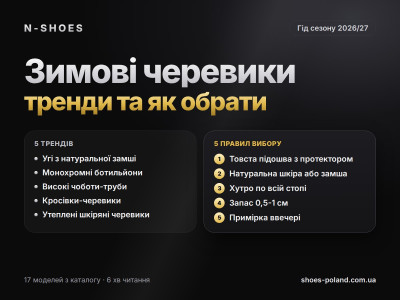
In short: 5 rules in 10 seconds

01Rule · Material

A natural upper that breathes and keeps its shape

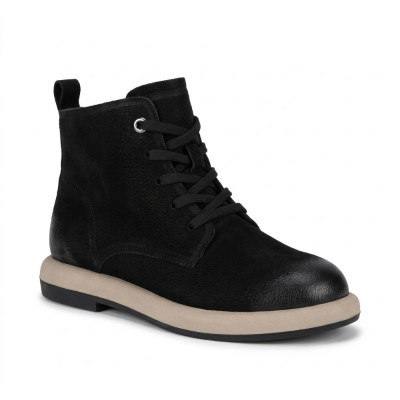
The most reliable choice for winter is genuine leather. It lets moisture escape, so your feet do not sweat on public transport or indoors, and it does not stiffen in the frost. Nubuck and suede are just as warm and look more upmarket, but they need water-repellent proofing before the first wear and a brush after road salt. Synthetic materials are cheaper but do not breathe: moisture stays inside and the shoes get cold faster.

StandardLeather / nubuck / suede across the whole upper
02Rule · Insulation

Sheepskin, fur or wool: warmth without compromise

Natural sheepskin and fur are the warmest options for a real winter: they do not pill, do not lose volume and stay warm even in damp weather. Wool (including “euro-winter” linings) is lighter and suits milder winters and driving. A simple guide for Ukraine's climate: from −5 °C choose wool, from −10 °C and below choose fur or sheepskin. The lining should run the full length, not just the shaft.

StandardNatural lining right to the toes
03Rule · Sole

Thick, flexible and with a tread that grips ice

The sole decides whether you stay warm and safe. The minimum thickness is 7 mm for women's and 10 mm for men's models, so the cold from the pavement does not reach your foot. A tread 4–5 mm deep or more holds on snow and ice. Thermoplastic rubber (TPR) and polyurethane stay flexible in the frost, while a Gore-Tex membrane adds protection from slush. PVC is cheap but hardens and slips in the cold.

Standard≥ 7 mm (women) · ≥ 10 mm (men) · tread ≥ 4 mm

Sole material: what to choose for frost

MaterialFrostGripWeightComment
Thermoplastic rubber (TPR)Flexible and springy: the best balance for the city
Polyurethane (PU)Light and warm, keeps its shape for years
RubberThe best grip, but heavier
EVAVery light, for mild winters and sneakers
PVCBudget option, hardens in the frost
04Rule · Stability

A heel and fastening you can rely on

In winter, stability matters more than height. The ideal heel is up to 5 cm with a wide base: it does not sink into snow or roll on black ice. For boots and high ankle boots, fastening matters: a zip combined with laces or a strap holds the leg at the ankle, so the foot does not slide around inside or chafe. For driving and daily walking, choose a flat sole.

StandardHeel ≤ 5 cm · base no narrower than the heel of the foot
05Rule · Fit

The right size and width are half the warmth

Tight shoes get cold: a squeezed foot has poorer circulation and the insulating air layer disappears. Buy winter pairs with 1–1.5 cm of extra length over your foot, to leave room for a warm sock. Width matters just as much: if you have wide feet or a high instep, look for an anatomical toe or models for wide feet. Measure your feet in the evening, when they are 5–8 mm longer than in the morning.

StandardInsole length = foot + 1–1.5 cm

Fitting checklist: 30 seconds

Tick the points while you try the pair on at home or at the Nova Poshta branch. 10 out of 10 means reliable footwear for the whole winter.

Start ticking the points0 / 10

Winter size calculator

Measure your foot in the evening: stand on a sheet of paper, trace around it and measure from the heel to the longest toe.

Recommended winter size (EU)—

An estimate: the insole length of each model is listed on its product page. Size chart

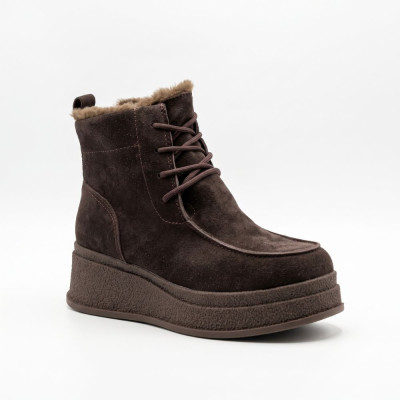
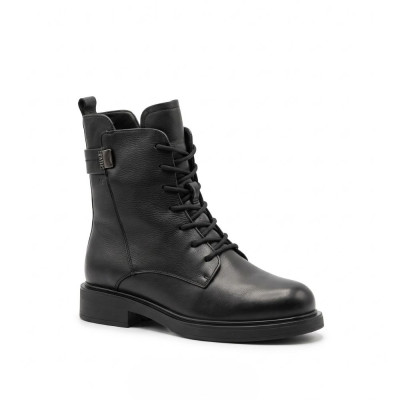
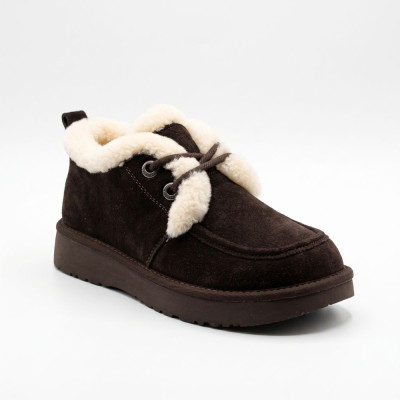
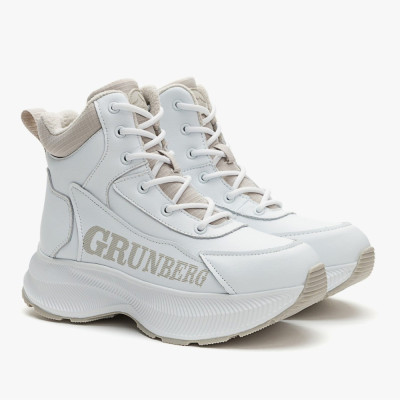
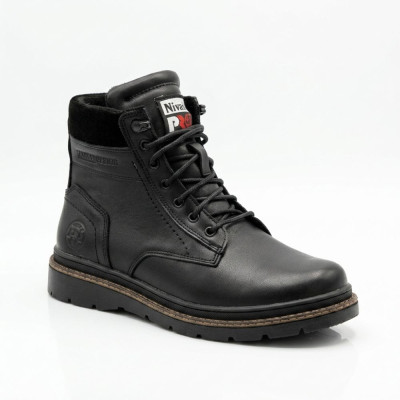
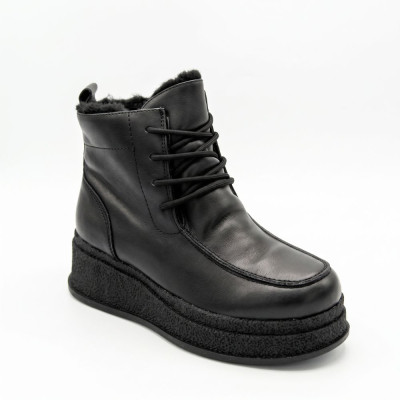
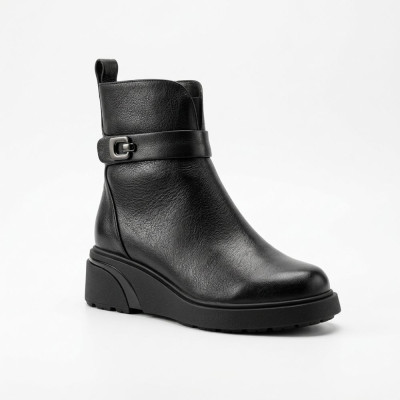
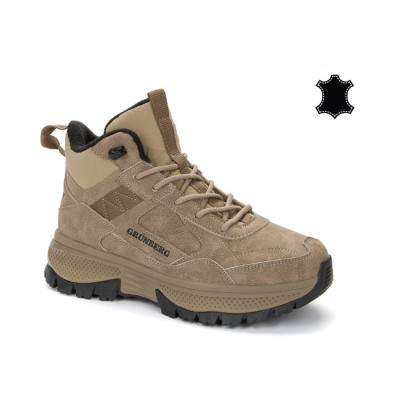
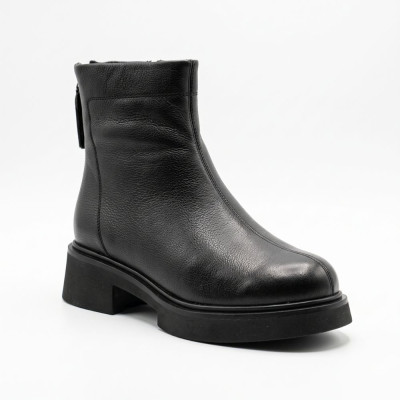
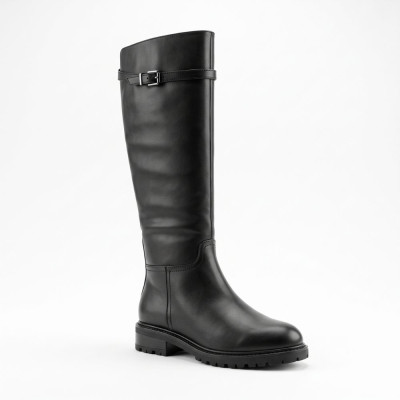
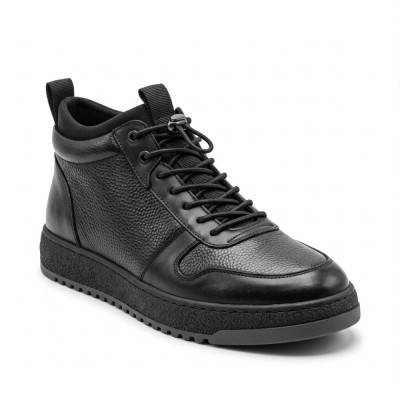
New this season, in stock

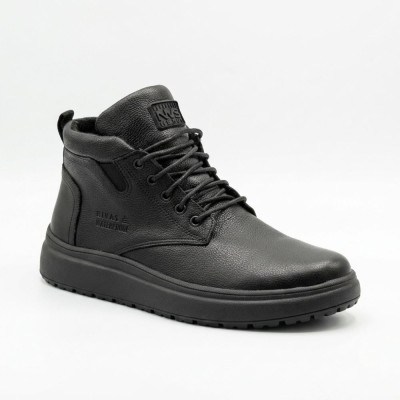
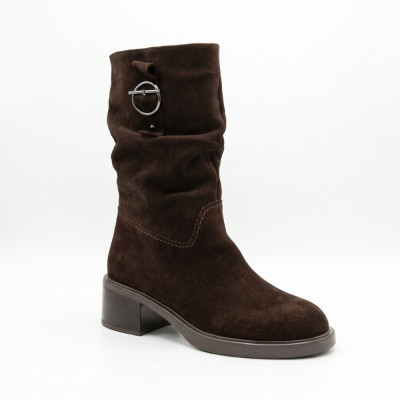
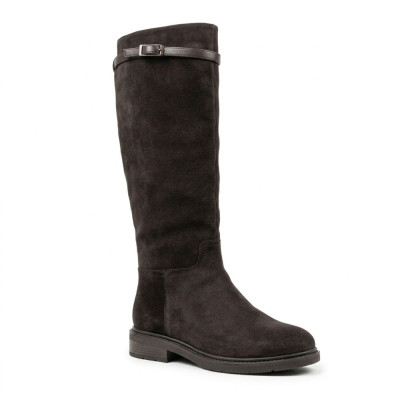
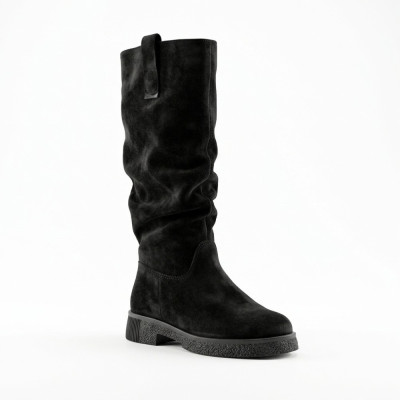
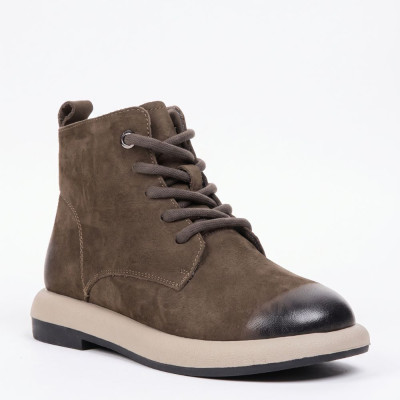
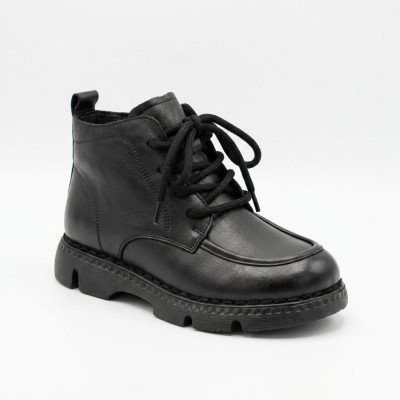
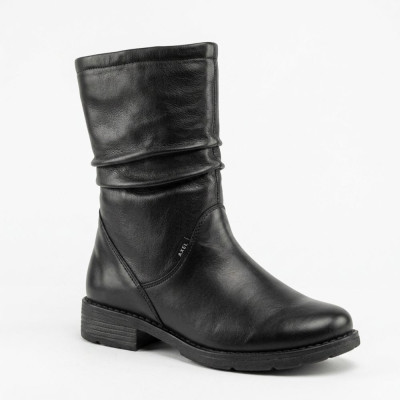
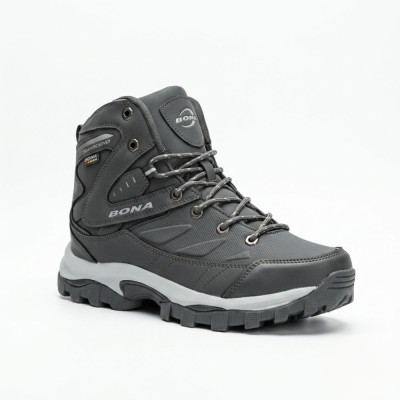
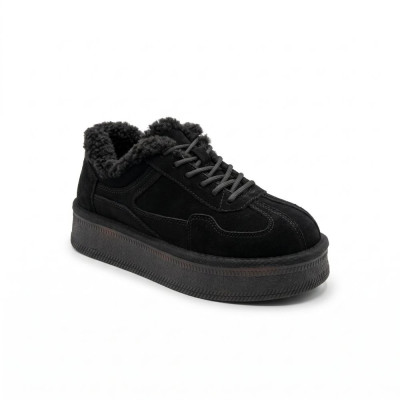
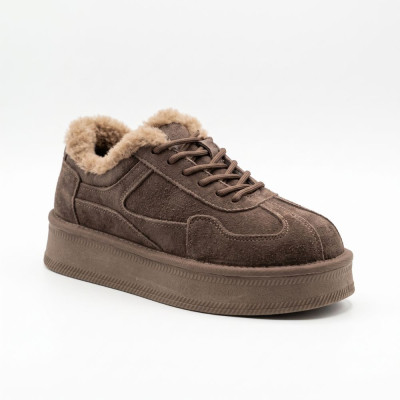
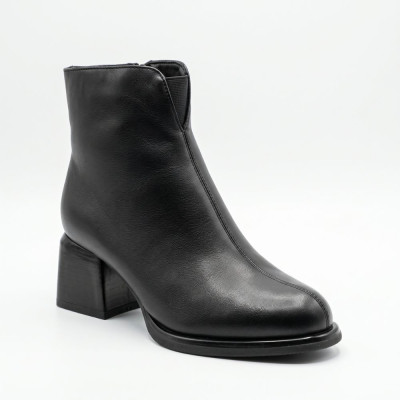
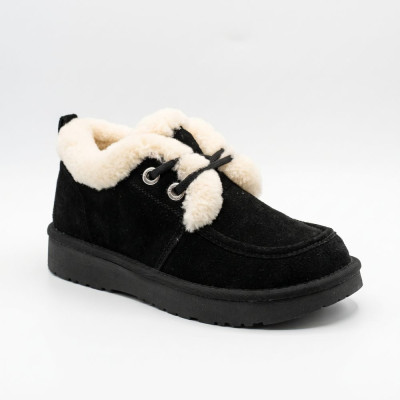
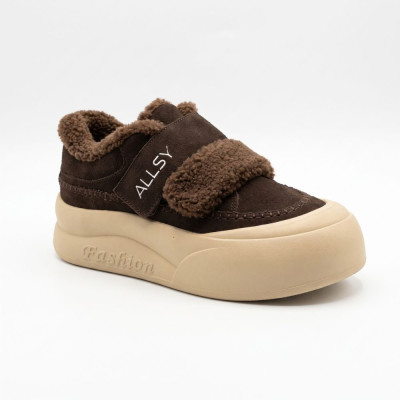
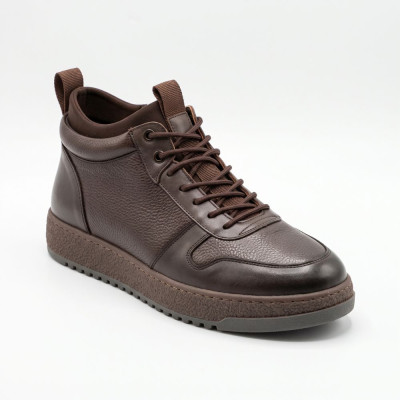
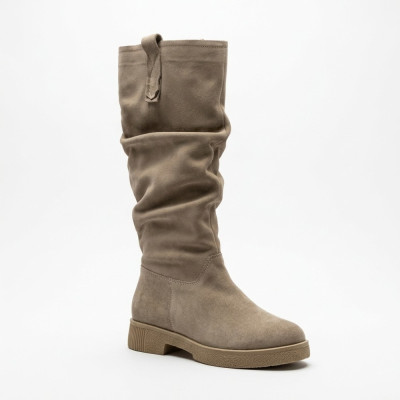
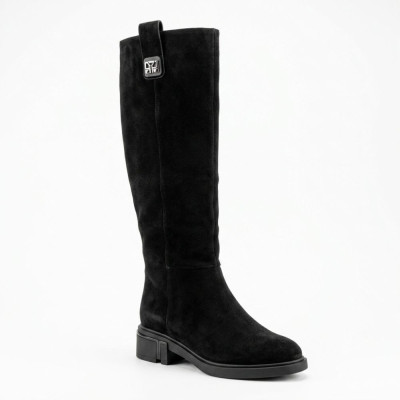
Fresh arrivals for winter 2026/27: tap any model to see photos, sizes and reviews.

Full catalogue

Prices and availability as of 10.10.2026.

Frequently asked questions

How much bigger should winter footwear be?

Go by length rather than the size number: the insole should be 1–1.5 cm longer than your foot. This is often half a size or one size larger than your summer shoes, but it depends on the last of each model.

Which is warmer: sheepskin, fur or wool?

Natural sheepskin is the warmest, followed by natural fur. Wool is lighter and suits temperatures down to about −5…−10 °C, driving and milder winters.

Which sole does not slip on ice?

Rubber or thermoplastic rubber with a deep multi-directional tread of 4–5 mm or more. A hard PVC sole with a fine pattern slips the most on ice.

Can I wear suede in winter?

Yes, if you treat it with a water-repellent spray before the first wear and brush it regularly after snow and road salt. Dry the pair at room temperature, never on a radiator.

Can I try the shoes on before paying?

Yes. You inspect and try on the pair at the Nova Poshta branch before paying. If they do not fit, refuse them right there with Easy Return.

«Reliable winter footwear does not make you choose between style and warmth: it simply works all winter long.»

Choose by the five rules, try on with the checklist, and message us on Viber or Telegram for help with sizing.

Shop winter footwearMen's winter
Comments
Related articles
06/10/2026
Fashion Trends and the Ultimate Buying Guide for Winter Footwear 2026-2027
Winter 2026-2027 will be fashionable and stylish! The assortment of our N-SHOES store has already been replenished with new collections taking into account upcoming trends. We invite you to choose your favorite pair and meet the cold in warmth and co..