0

Gore-Tex and Nano-Tex: How a Membrane Works and Why Shoes Breathe but Keep Water Out

Technology · Membranes · N-SHOES

Gore-Tex and Nano-Tex: How a Membrane Works and Why Shoes Breathe but Keep Water Out

A raindrop can't get in, yet vapour from your foot gets out. We explain membrane physics in plain words, compare Gore-Tex, hydrophilic membranes and Nano-Tex finishing, show how to care for membrane shoes and which membrane models are in stock.

See how it worksMembrane footwear
~250,000sweat glands on both feet
up to 250 mlmoisture from feet on an active day
20,000×pore smaller than a water drop
700×pore larger than a vapour molecule

See how a membrane works

Pick a situation and the diagram shows what happens inside the shoe.

Water drops are thousands of times larger than the membrane's pores, so they can't get in. The outer DWR finish makes water bead up and roll off.

Dry inside
RainUpper + DWRMembraneLiningVapour

Membrane types: the difference

Microporous (ePTFE)

Examples
Gore-Tex and similar
How it works
A film with billions of micropores: water stays out, vapour escapes through the pores.
Strength
Top waterproofing and durability.

Hydrophilic (non-porous)

Examples
Sympatex and similar
How it works
Vapour moves through a solid film at the molecular level; the more vapour, the faster.
Strength
Windproof, doesn't clog with dirt.

Polyurethane (PU)

Examples
brands' own membranes
How it works
A thin microporous or solid coating on fabric.
Strength
Light weight and affordable price.

Nano finish (Nano-Tex)

Examples
a fibre treatment, not a membrane
How it works
Nanoparticles on each fibre repel water and dirt without closing the gaps between fibres.
Strength
Best ventilation; protects from splashes, not downpours.

How to keep the membrane working

  1. CleanLukewarm water and a soft brush, no abrasives or solvents.
  2. Skip powder and softenerThey clog pores and break down the DWR.
  3. Dry at room temperatureRadiators and hairdryers damage the membrane and glue.
  4. Renew the DWRA membrane-safe spray after cleaning and in the rainy season.
  5. Store dryShoe trees or paper inside, no plastic bags.

Test: is your membrane working?

Tick what you see to get advice.

0/3

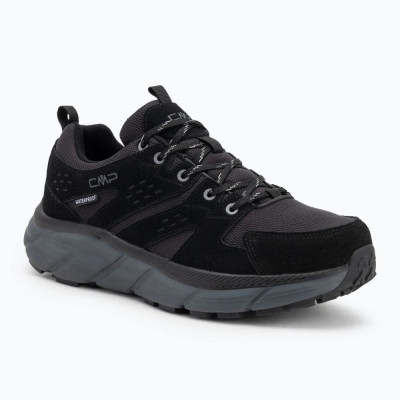
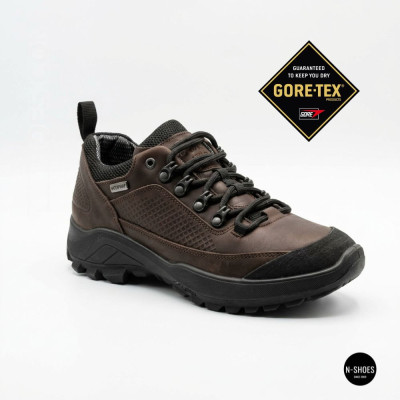
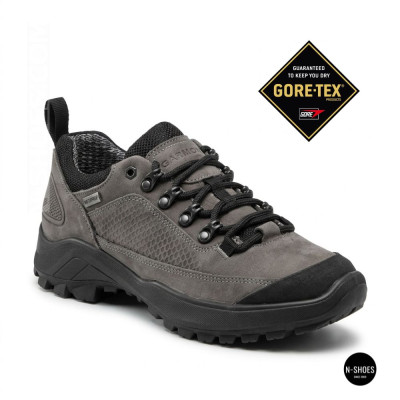
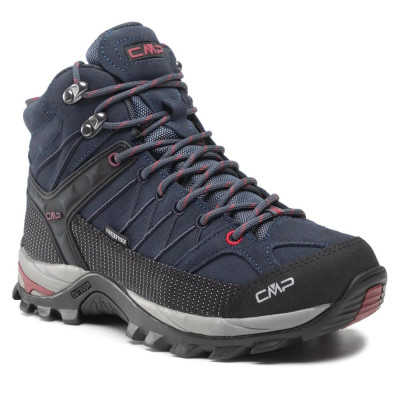
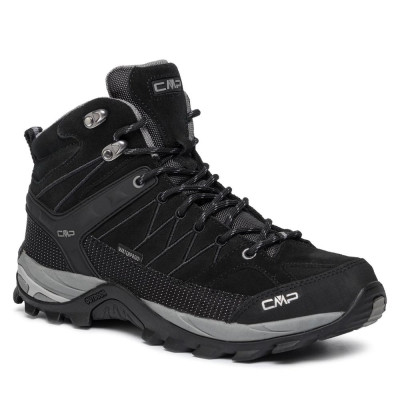
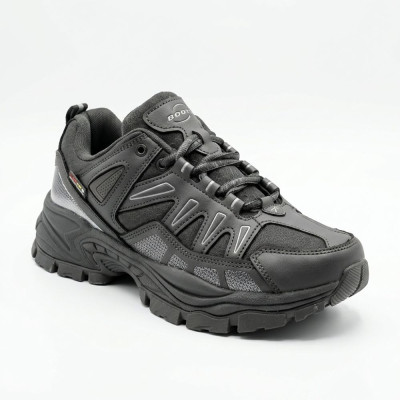
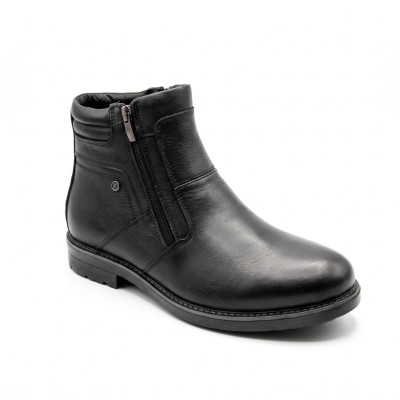
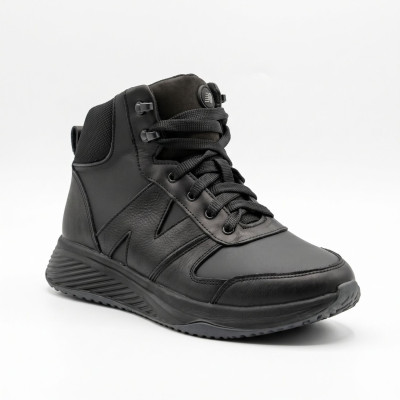
Membrane and waterproof footwear in stock

Models: 8

Full catalogue

Prices and availability as of publication. Membrane details are listed in each product description.

Footwear membranes: encyclopedic overview

Definition

A membrane is a thin polymer layer in footwear or clothing that blocks liquid water but lets water vapour through. In shoes it sits between the upper and the lining, often as a bootie that fully wraps the foot. This keeps the shoe waterproof while it still breathes.

The physics

A raindrop consists of a vast number of molecules and is thousands of times larger than the membrane's micropores, so it cannot pass. Vapour from the foot consists of individual molecules far smaller than the pores. Transport is driven by the difference in temperature and humidity inside and out: vapour moves to where there is less of it.

History

Expanded polytetrafluoroethylene (ePTFE) was developed in the late 1960s, and in the 1970s it became the basis of Gore-Tex, the first commercial breathable waterproof membrane. Hydrophilic non-porous membranes and outdoor brands' own polyurethane membranes followed.

Nano-Tex

Nano-Tex is a nano-finishing technology for textile fibres, not a separate membrane. Nanoparticles form a fine fuzz on each fibre that repels water and dirt like a lotus leaf without closing the gaps between fibres. Such a finish ventilates well and protects from splashes, while a membrane is more reliable against downpours and puddles.

DWR finish

DWR (durable water repellent) is a coating on the outer material that makes water bead up and roll off. When it wears off, the upper wets out and forms a film of water that blocks vapour from escaping, so DWR is renewed periodically with special sprays.

Limitations

A membrane does not make a shoe fully waterproof: water can enter over the top of the shaft, and with very heavy sweating or high air humidity vapour cannot escape fast enough. Performance also drops when the upper is dirty or wet.

Questions and answers

How does a Gore-Tex membrane work?

It is a microporous ePTFE film: pores thousands of times smaller than a water drop keep water out, yet hundreds of times larger than a vapour molecule, so sweat evaporates outward.

How is Nano-Tex different from Gore-Tex?

Gore-Tex is a separate membrane laminated to fabric. Nano-Tex is a nano finish on the fibres themselves: it ventilates better, while a membrane protects more reliably against water under pressure.

Can membrane shoes be washed?

Hand-cleaning with lukewarm water and a soft brush is best. If the maker allows machine washing, use membrane cleaner only, a delicate cycle up to 30 °C with no spin. Never use powder or softener.

Why is my membrane shoe wet inside?

Usually a worn DWR, heavy sweating or water coming in over the top. Clean the pair, renew the DWR and dry at room temperature.

Which membrane shoes are best for winter?

A membrane combined with insulation and a lug sole. Membrane sneakers suit a mild city winter; insulated boots suit frost and snow.

Dry outside, comfortable inside

Choose membrane footwear in stock and walk confidently in any weather.

Comments