0₴
CheckoutHow to Choose the Perfect Women's Winter Boots: Key Rules and Tips
N-SHOES guide · women's boots · winter 2026/27
How to Choose the Perfect Women's Winter Boots: Key Rules and Tips
The right boots are a matter of health, not just style: warm in the frost, stable on ice and comfortable all day. We cover materials, 8 quality checkpoints, safe heels, shaft fit and sizing, and you can pick from new models in stock right here.
Find my boots8 checkpoints17new models in stock
8quality checkpoints
3steps to your pair
up to 5 cmsafe heel
Find your boots in 3 steps
Choose the height, material and heel type and we will show models that are in stock now. Tap a photo to open the product page.
1Height
2Material
3Heel
Models found: 17
No models match right now. Try changing one of the filters.
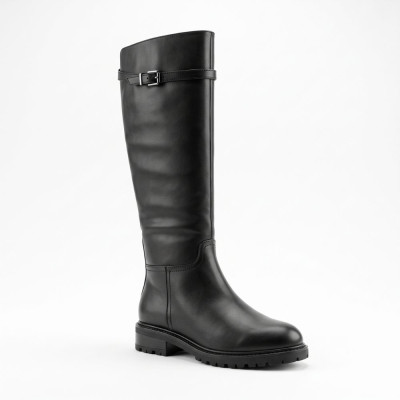 New−24%Allsy · 6455Black leather fur-lined boots, low heelKnee-highLeatherFlat5 450 ₴Open
7 190 ₴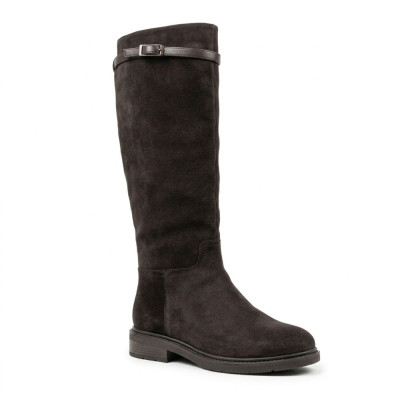 New−24%Allsy · 6454Brown suede boots with natural furKnee-highSuedeFlat5 450 ₴Open
7 190 ₴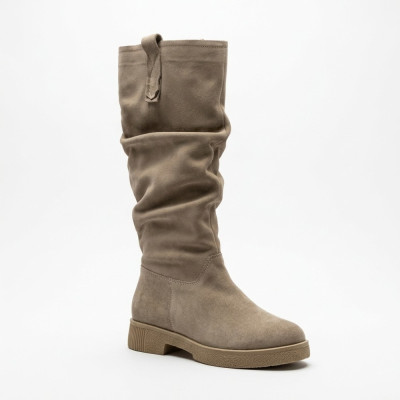 New−30%Romax Comfort · 6434Tall taupe suede bootsTall & over-the-kneeSuedeFlat5 250 ₴Open
7 450 ₴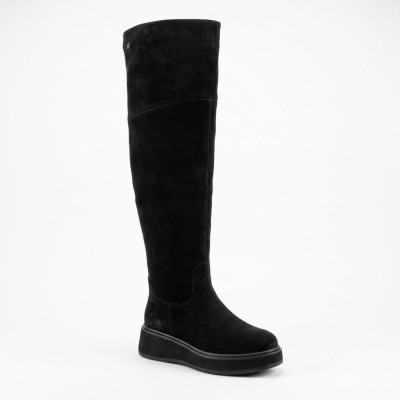 New−52%Anna Lucci · 6047Suede over-the-knee platform bootsTall & over-the-kneeSuedePlatform4 750 ₴Open
9 850 ₴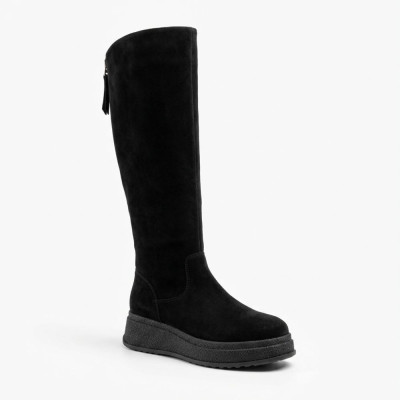 New−40%Anna Lucci · 6031Suede platform bootsKnee-highSuedePlatform4 750 ₴Open
7 950 ₴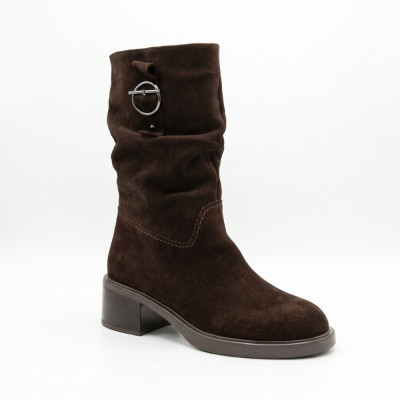 New−24%Romax Comfort · 6453Suede heeled boots with a buckleKnee-highSuedeStable heel4 100 ₴Open
5 390 ₴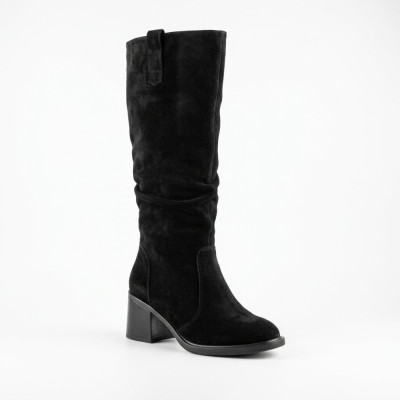 New−33%Romax Comfort · 6433Suede boots on a wide heelKnee-highSuedeStable heel4 950 ₴Open
7 350 ₴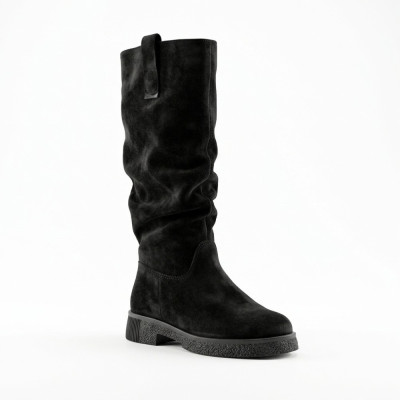 New−30%Romax Comfort · 6437Black fur-lined suede bootsKnee-highSuedeFlat5 250 ₴Open
7 450 ₴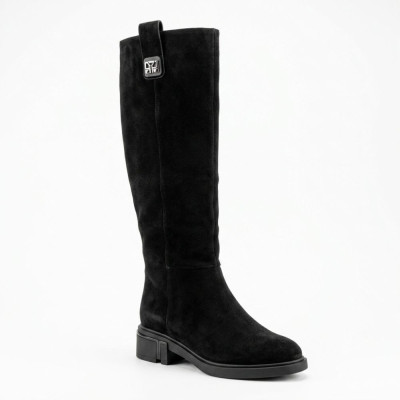 New−23%Fabio Monelli · 6399Classic black suede bootsKnee-highSuede7 790 ₴Open
10 100 ₴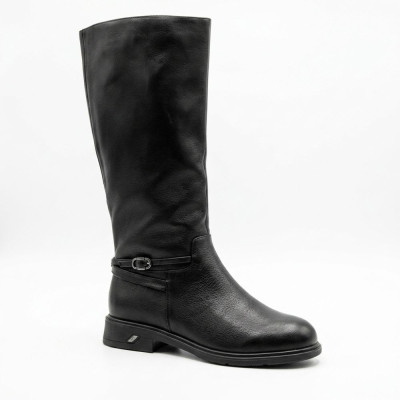 New−25%Fabio Monelli · 6398Classic black leather bootsKnee-highLeather7 390 ₴Open
9 890 ₴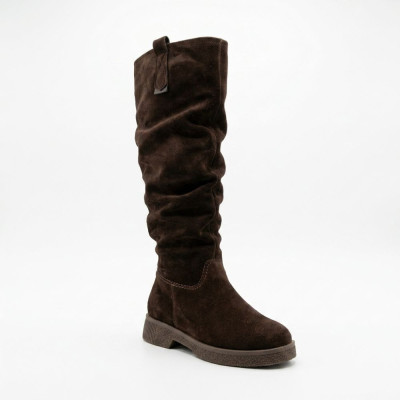 New−43%Romax Comfort · 6032Chocolate suede bootsKnee-highSuede5 790 ₴Open
10 190 ₴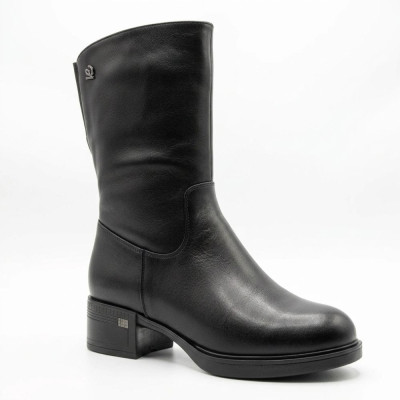 New−48%Allsy Lonza · 6030Leather mid-calf boots, fur-linedMid-calfLeather3 250 ₴Open
6 290 ₴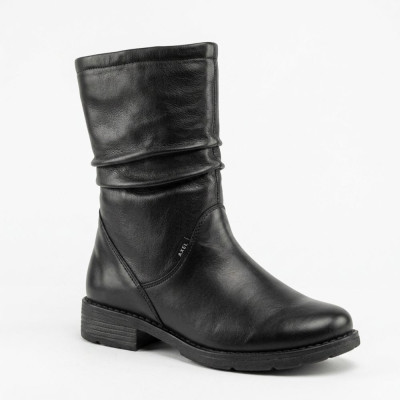 New−41%AXEL · 6046Wide-fit mid-calf boots, wool-linedMid-calfLeather4 670 ₴Open
7 890 ₴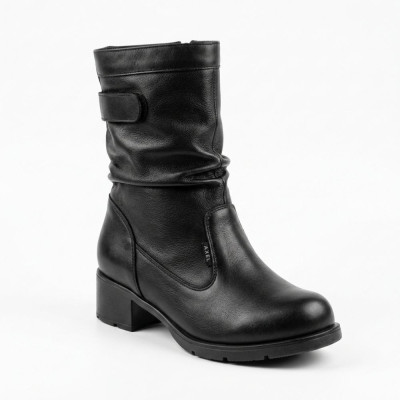 New−44%AXEL · 6042Anatomical wide-fit bootsKnee-high4 450 ₴Open
7 890 ₴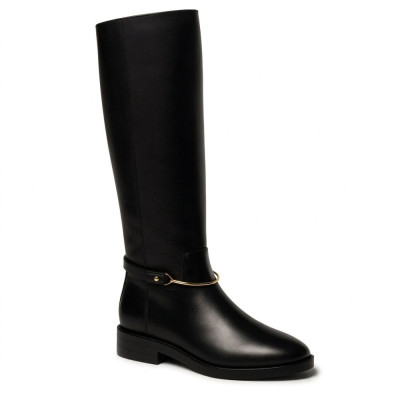 New−45%SIMEN · 6052Polish-made boots, mild-winterKnee-high7 450 ₴Open
13 500 ₴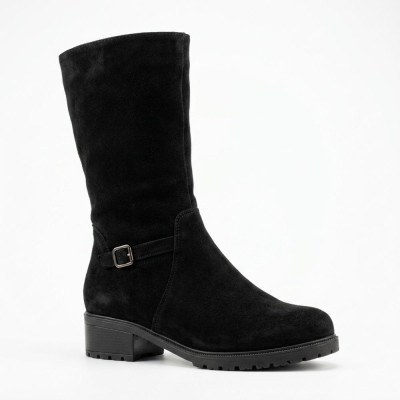 New−57%Romax Comfort · 6053Black boots with wool liningKnee-high2 950 ₴Open
6 890 ₴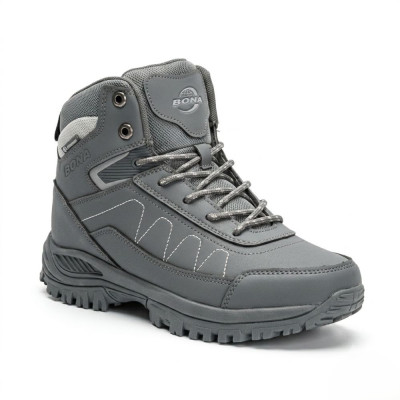 New−19%Bona · 6356Grey leather fur-lined boots, comfort lineKnee-highLeather2 890 ₴Open
3 590 ₴
Women's winter bootsWomen's winter ankle bootsAll women's winter footwearNew autumn–winter collection
Prices and availability as of 10.10.2026.
Leather, suede, fur: what to choose
The material decides how many seasons your boots will last and how they cope with slush.
Recommended
Genuine leather
Practical and durable: it breathes, does not crack in the frost and keeps its shape for years. Genuine leather feels warmer to the touch, which is the easiest way to tell it from synthetic leather, which feels cold and wrinkles when temperatures change.
Needs care
Natural suede
Warm, soft and striking, but it needs water-repellent proofing before the first wear and a brush after snow and road salt. Perfect for the city, driving and occasions; for daily walks in slush, leather is better.
Anatomy of a quality boot: 8 checkpoints
Tap a number on the diagram to see what to check at that spot when you try the boots on.
- AppearanceNo scratches, stains or split seams. Inspect the pair in daylight from every side.
- Heel and toeThese areas need stiffeners. Press the heel counter: if it bends or shifts, look for another model.
- Interior finishSoft insole, neat edges and no seams you can feel inside, otherwise they will rub.
- Sole attachmentThe sole is firmly attached all the way round. No stitching is not a flaw: modern adhesives replace it.
- Sole material and treadRubber, polyurethane or TPR with a deep tread: the more lugs, the less slipping.
- HeelNo plastic, which deforms in the frost. A wide base and a height of up to 5 cm.
- Zip and hardwareRuns smoothly, the lining does not catch in it and the seams around it are neat.
- ShaftDoes not squeeze the calf even with a warm sock; it has room or adjustment.
Which heel is safe in winter
PlatformStable, spreads your weight evenly, minimal slipping
FlatBest for daily walking and driving
WedgeHeight without the risk, for those who like a lift
Low stable heelUp to 5 cm with a wide base and a thick sole
Mid-height block heelDepends on the tread under the toe
Stiletto, slim or plastic heelMaximum slipping, plastic deforms in the frost
!Check the sole thickness at the toe: if it is too thin it will not protect you from the cold below and will wear out quickly on ice and road salt. This is especially important for platforms and wedges.
Shaft and size: a fit that keeps you warm
How to get the shaft right
- Measure your calf at its widest point in the evening
- Add 2–3 cm if you wear boots over jeans or thick leggings
- The zip should run the full length of the shaft and close easily on your leg
- Elastic panels, laces or straps leave room for different sock thicknesses
Size
Winter boots should not pinch: in a tight pair your feet get cold and tired quickly. But too much room is also bad, as a loose pair stretches and loses its shape. Go by the insole length: your foot plus 1–1.5 cm for a warm sock. If a model runs small or large, we say so in the product description.
Size chart →Price per season, not per pair
Quality boots cost more, but they last several seasons and end up cheaper. An example:
Quality pair
genuine leather and fur
5 450 ₴ ÷ 4 seasons1 360 ₴ per seasonCheap pair
synthetic materials
1 900 ₴ ÷ 1 season1 900 ₴ per seasonAn example calculation; the real lifespan depends on care and how often you wear them. Off-season sales of last year's collections are also a good time to buy.
Frequently asked questions
Which boots are the warmest for winter?
Leather or suede boots with natural fur or sheepskin all the way down and a thick sole. Wool (“euro-winter”) linings are lighter and suit mild winters and driving.
Can I wear suede boots in winter?
Yes, if you treat them with a water-repellent spray before the first wear and clean them regularly after snow and road salt. Dry them at room temperature, never on a radiator.
Which heel is safest on ice?
A flat sole, a platform or a stable heel of up to 5 cm with a wide base and a deep tread. Stilettos and plastic heels are dangerous in winter.
How do I choose the shaft for my calf?
Measure your calf at its widest point in the evening and compare it with the shaft circumference in the product description. If you wear boots over jeans, add 2–3 cm.
Can I try the boots on before paying?
Yes. You inspect and try on the pair at the Nova Poshta branch before paying. If they do not fit, refuse them right there with Easy Return.
«Quality winter boots last more than one season and fully pay for themselves.»
Choose by height, material and heel, check the 8 points when trying them on, and message us on Viber or Telegram for help with sizing.
All winter bootsNew collection
2026-10-12 14:00:00
Comments:3
Views:1553
Comments