

0₴
Checkout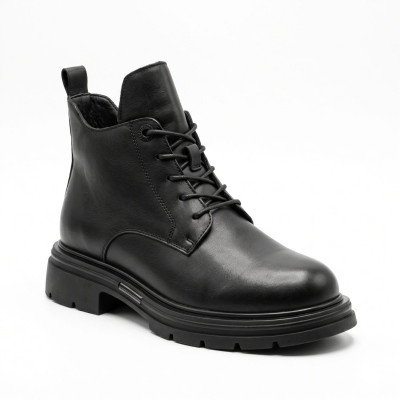
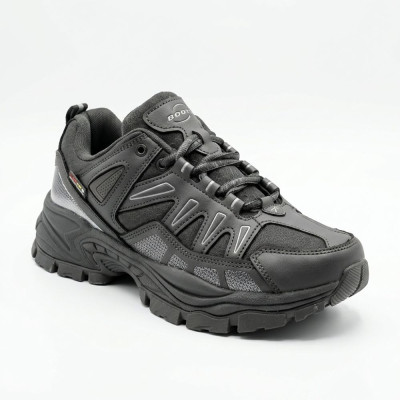
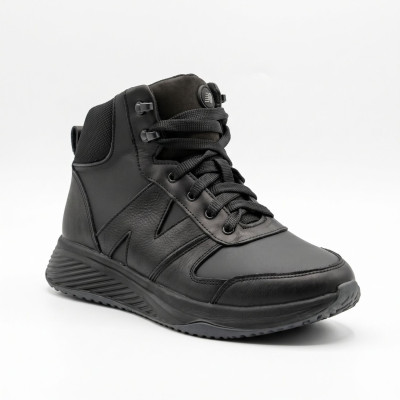
Definition
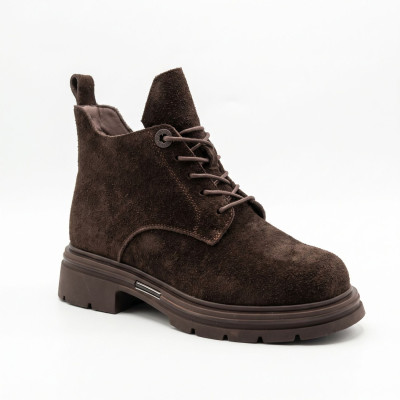
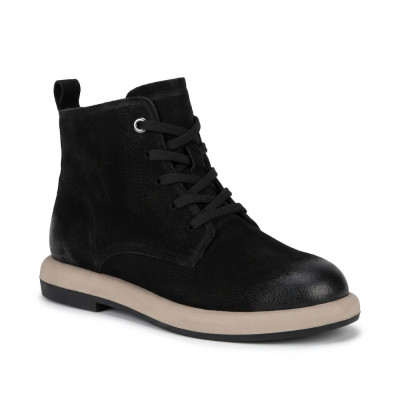
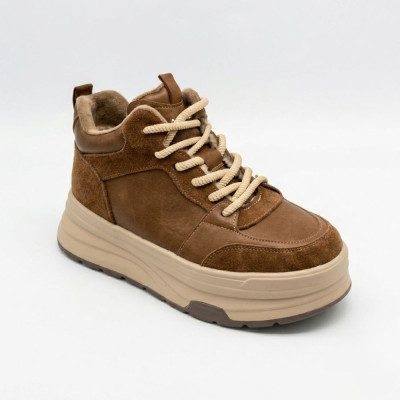
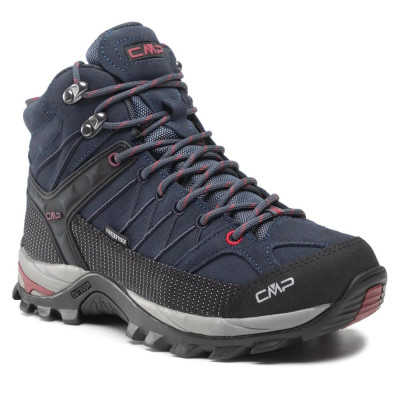
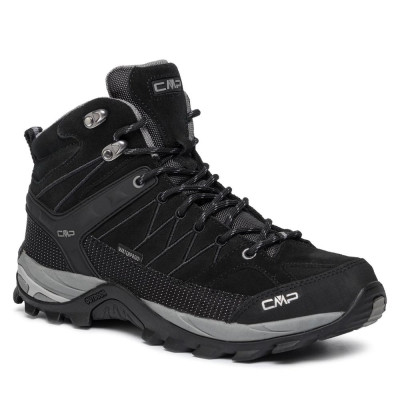
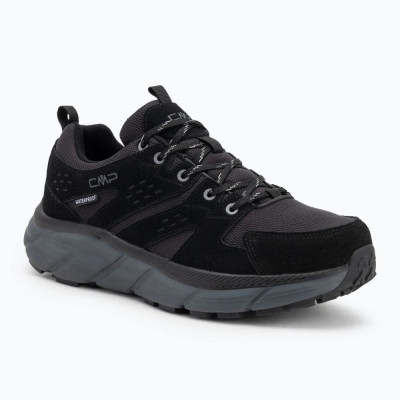
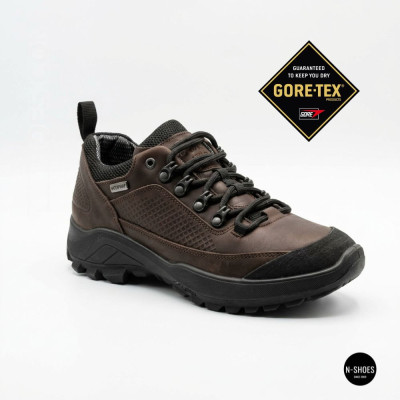
Hiking boots are lace-up footwear for walking over rough terrain. They differ from ordinary boots in their lug sole, reinforced heel counter and toe, ankle support and a system of eyelets and hooks for the laces.
Construction
The main parts are an upper of leather, nubuck, suede or synthetic textile, a membrane or lining, an insole, a cushioning EVA or polyurethane midsole and a rubber outsole with lugs. Hooks at the top let you tighten the laces quickly to different tensions.
Stiffness classes
Light models have a flexible sole and suit the city and trails. Medium-stiff boots are versatile, for travel and daily wear. Stiff models with a firm sole are built for the mountains, heavy loads and people with higher body weight.
History
Modern hiking boots descend from mountaineering footwear of the first half of the 20th century. A key moment was the arrival of the rubber lug sole in the late 1930s, which replaced leather soles with metal nails. Membranes and light synthetic materials followed later.
In everyday fashion
Since the late 2010s hiking boots have become part of the city wardrobe on the wave of functional fashion. They are worn with jeans, wool trousers, coats and dresses, and makers offer smooth leather, suede and nubuck models with fur lining.
Care
Remove dirt with a soft brush and dry boots at room temperature away from radiators. Nourish leather with cream, treat suede and nubuck with a water repellent, and for membrane models choose products that don't clog the pores.