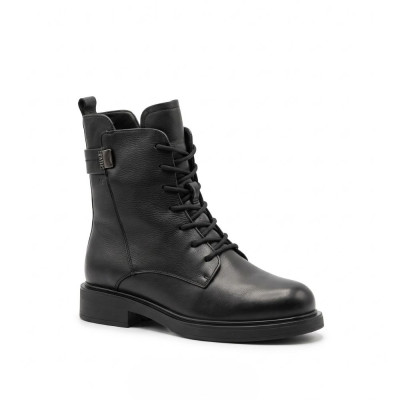
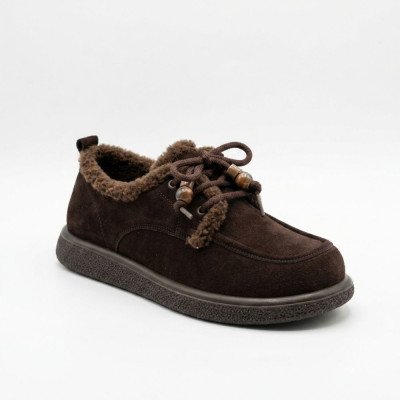
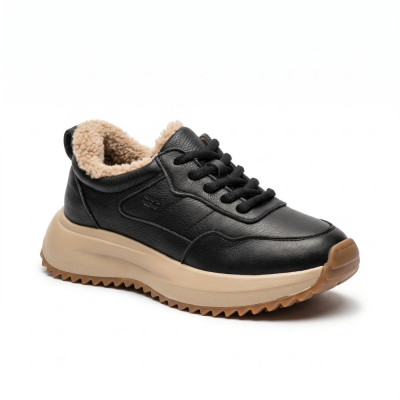
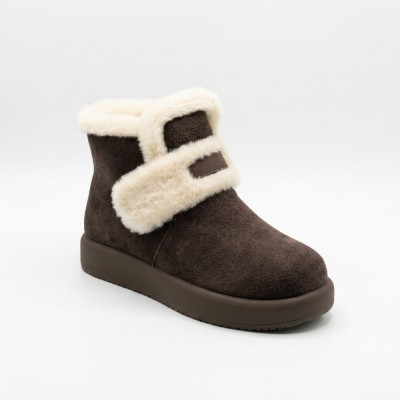
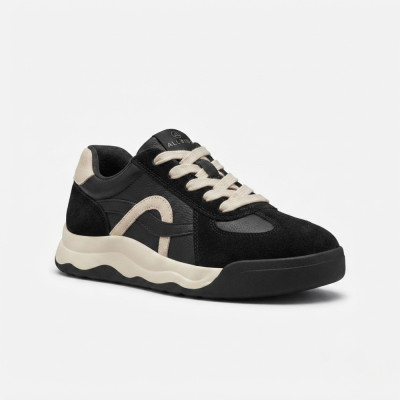
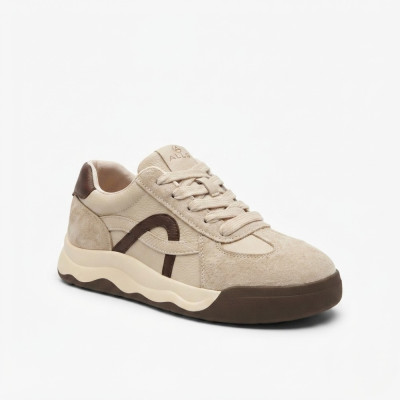
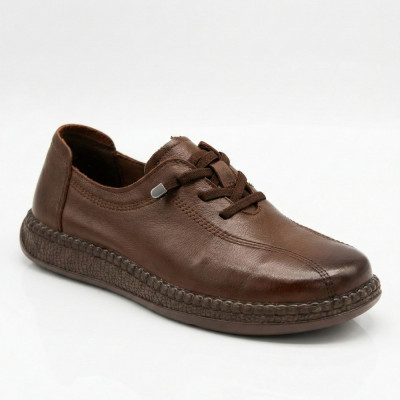
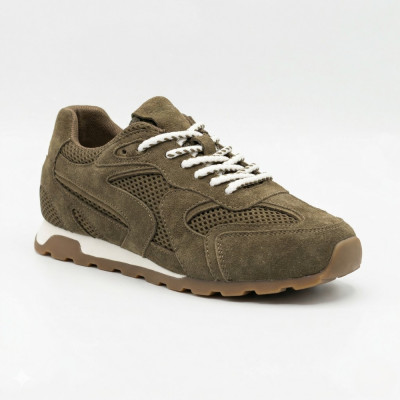
0

All Types of Shoe Soles: Detailed Overview, Properties and Comparison

Buyer's guide · 8 min readShoe sole typesWhat to choose for winter, city and summer

The sole decides whether a pair stays warm, feels light and grips on ice. We break down 9 materials, compare them on five criteria and help you pick a sole for your weather.

Find your soleModels in stock
Anatomy of a sole
InsoleEVA
CushioningPU foam
StabilityTPU
GripRubber · TEP
9sole materials
5comparison criteria
287models in stock
14 daysto return

9 sole types

Each material in brief: what it is, where it shines and what it fears.

PU

Polyurethane (PU)

Mid-season · sneakers · city

A foamed polymer with micropores. Light, soft, absorbs impact and keeps warmth. In hard frost (around −20 °C and below) it stiffens and can crack; slippery on ice.

+ Light+ Cushioning− Frost− Ice
TPU

Thermoplastic polyurethane (TPU)

Mid-season · classic · tread

A dense, solid material without pores. Very hard-wearing and holds a crisp tread pattern. Heavier than PU, retains less heat and barely cushions.

+ Wear+ Tread− Weight− Cushioning
PU+TPU

Dual PU + TPU

All-season · trekking · winter

Two layers: light foamed PU on top for warmth and cushioning, tough TPU below for grip. Light, warm and hard-wearing at once. Downside: higher price due to two-step moulding.

+ Balance+ Frost− Price
TEP / TPR

Thermoplastic rubber (TEP, TPR)

Winter · city · everyday

A synthetic rubber sold as both TEP and TPR. Stays flexible in hard frost, does not crack, grips ice well and resists de-icers. Can soften on scorching asphalt.

+ Frost+ Grip− Heat
Rubber

Rubber

Winter · trekking · plimsolls

A classic proven for decades. The best grip on wet asphalt and ice, unfazed by frost or heat, lasts for years. The only downside: the heaviest of all.

+ Grip+ Durability− Weight
EVA

EVA foam

Summer · sport · midsole

The lightest material: springy and water-resistant, used for sneaker midsoles. Compressed EVA is called phylon: denser and holds its shape longer. Plain EVA compresses over time and turns hard and slippery in frost.

+ Light+ Cushioning− Frost− Wear
PVC

PVC

Budget · rain boots · slippers

The cheapest option: rigid plastic softened with additives. Tough, but heavy with poor cushioning. Stiffens in frost and can crack.

+ Price+ Waterproof− Frost− Comfort
Tunit

Tunit (leatherboard rubber)

Classic · office · dry city

A composite of rubber and leather fibre. Looks like a leather sole but wears better and copes with water. Rigid, barely cushions and gets cold fast.

+ Looks+ Wear− Cushioning− Cold
Best for:Classic
Leather

Leather sole

Classic · occasions · office

Genuine leather on the bottom of the shoe: breathes, looks elegant and moulds to the foot. Dislikes water and de-icers, slips when wet. For dry weather and indoors.

+ Breathes+ Elegance− Water− Slip
Best for:Classic

Compared on 5 criteria

More bars means better. Scroll the table sideways on mobile.

MaterialLightnessCushioningWearFrostGrip
Polyurethane5/54/54/52/52/5
Thermoplastic polyurethane2/51/55/53/54/5
Dual PU + TPU4/54/55/54/54/5
Thermoplastic rubber3/53/54/55/54/5
Rubber1/53/55/55/55/5
EVA foam5/55/51/51/51/5
PVC2/51/53/51/52/5
Tunit2/51/54/52/53/5
Leather sole3/52/52/52/51/5

Find your sole

Pick a season and how you will wear the pair: we show what to choose and what to avoid.

Season
How you wear it

Choose

Avoid

Show models

How to tell the sole in a store

1Markings

The material is often moulded on the sole: PU, TPR, EVA, Rubber.

2Weight in hand

EVA is the lightest, rubber the heaviest. PU and TEP sit in between.

3Press with a nail

PU and EVA spring back; TPU and PVC are hard.

4Look at the edge

A porous edge means PU or EVA. A solid one: TPU, TEP, rubber.

Models in stock

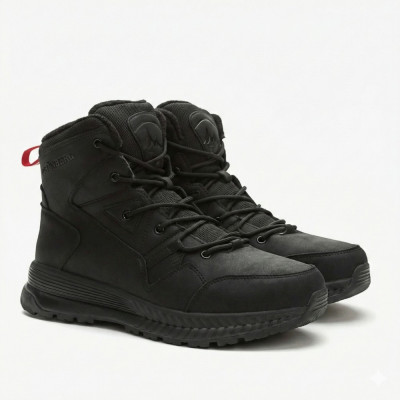
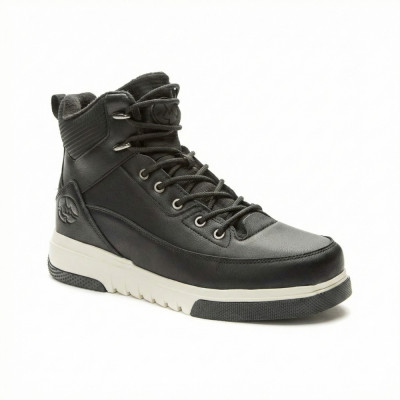
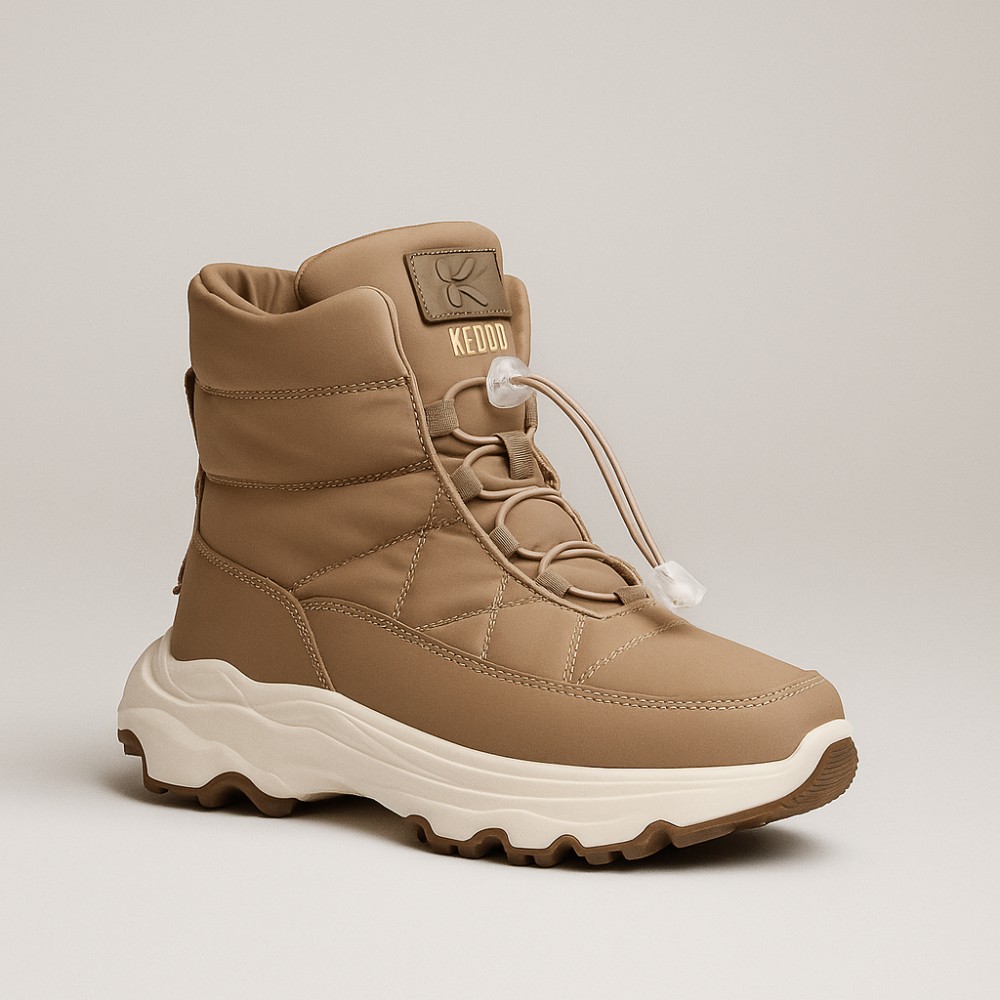
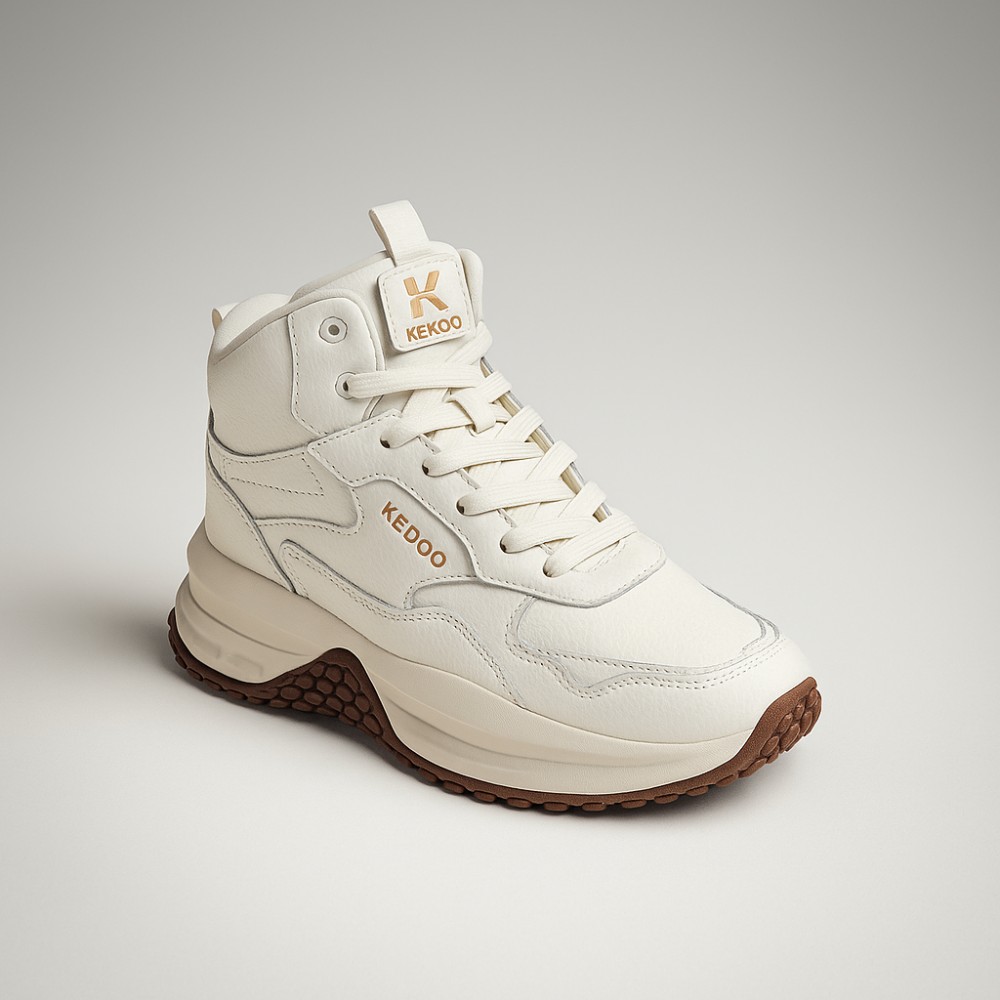
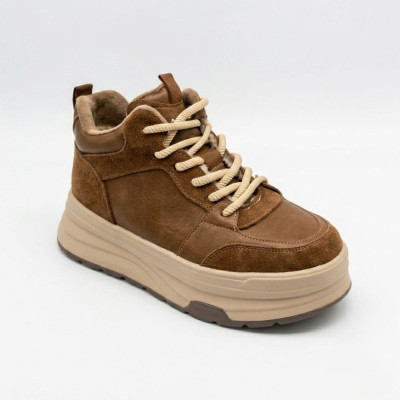
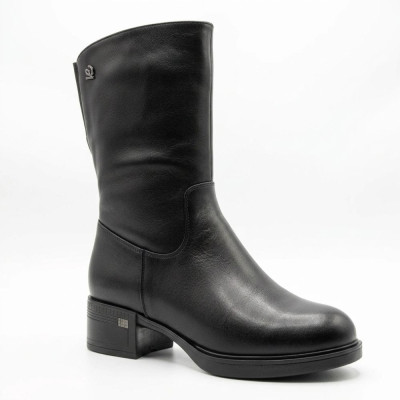
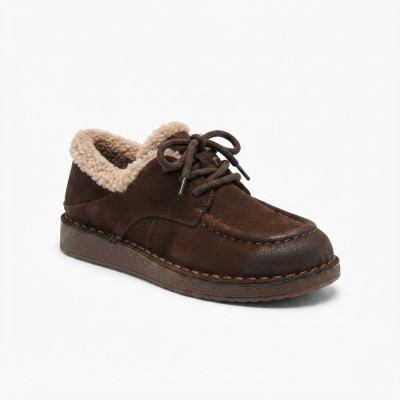
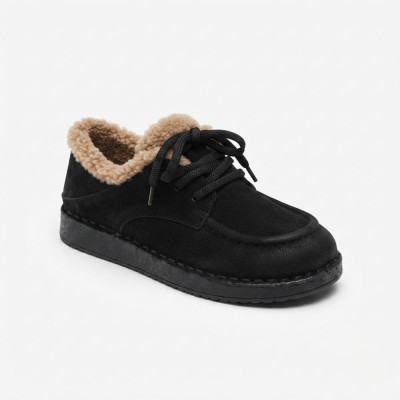
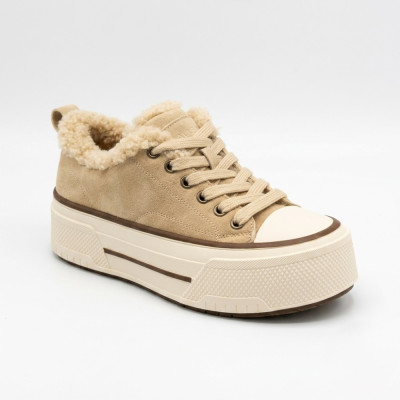
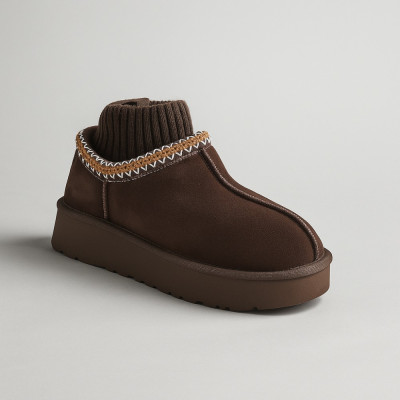
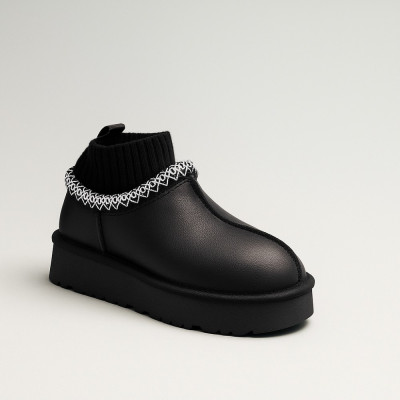
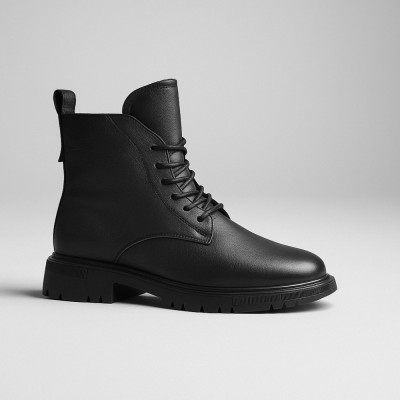
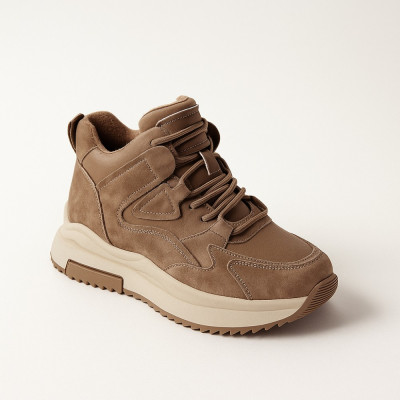
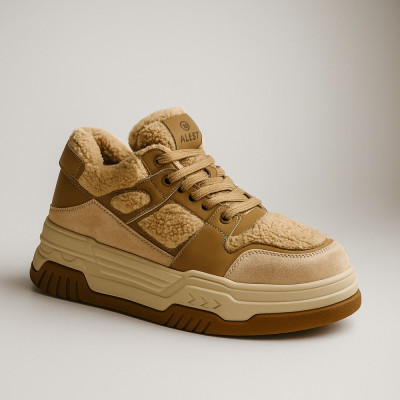
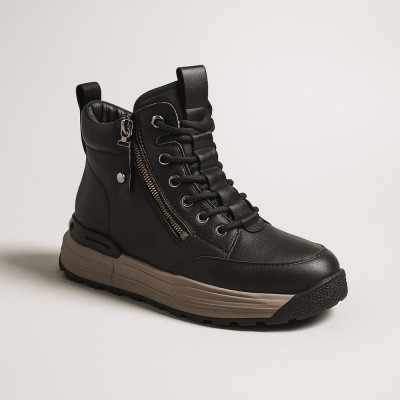
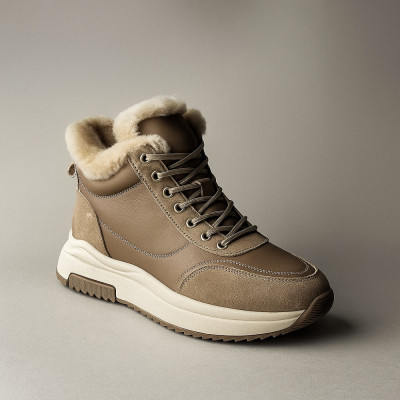
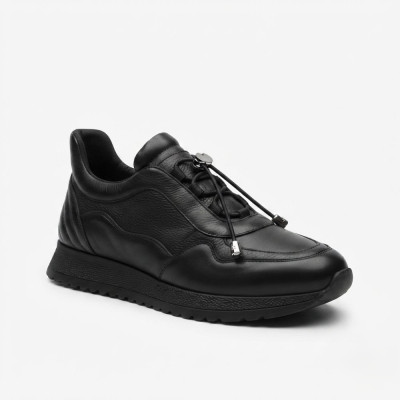
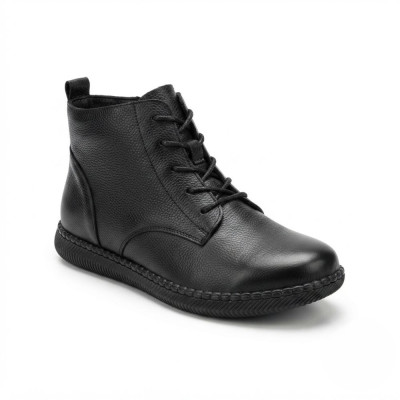
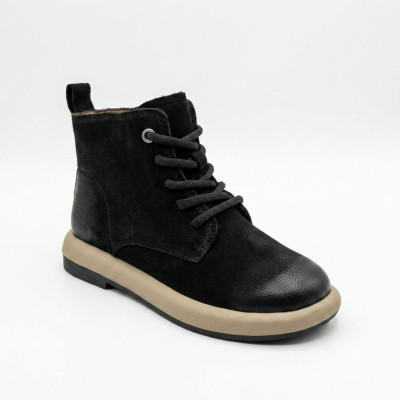
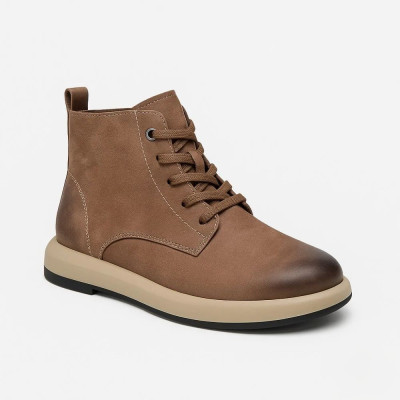
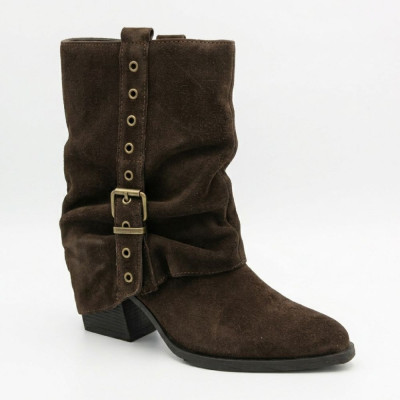
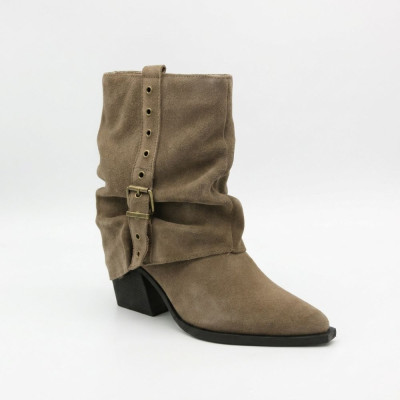
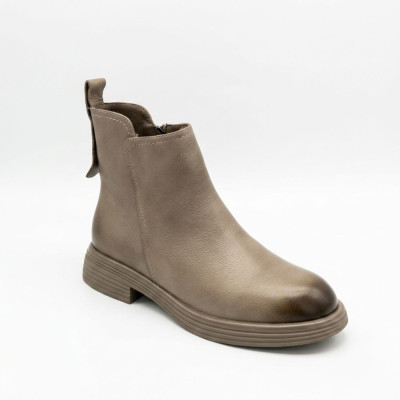
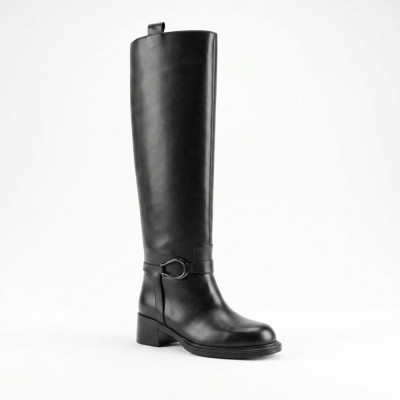
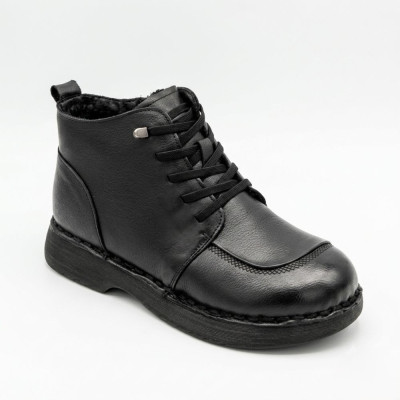
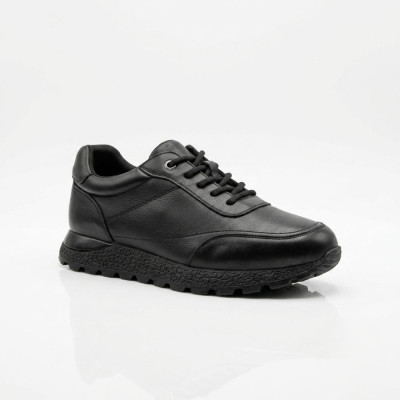
287 pairs you can order now, sorted by season. The sole material of each model is listed on its product page.

Brands

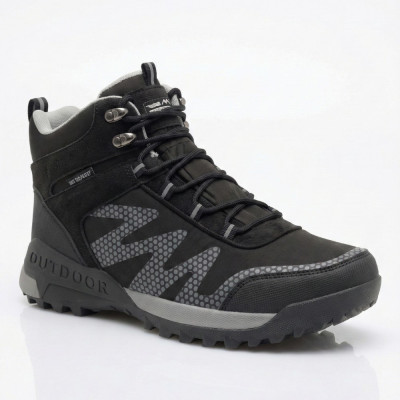
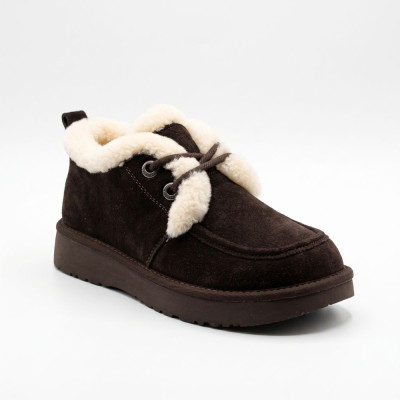
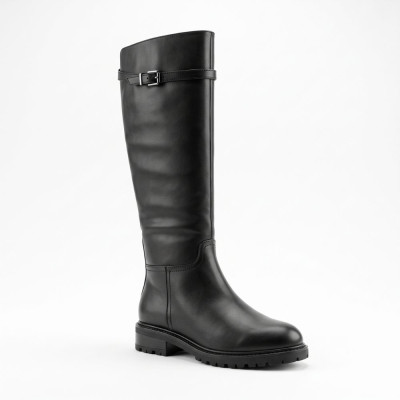
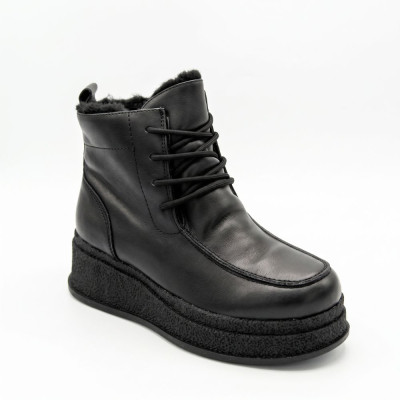
Winter

85 models

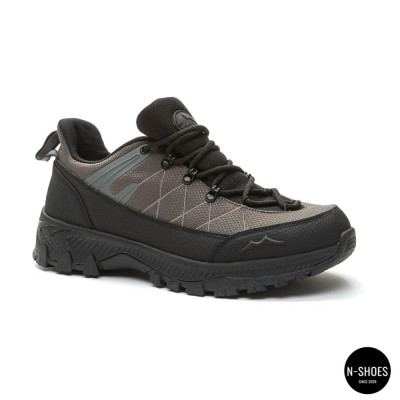
Look for TEP, rubber or PU+TPU with a deep tread.
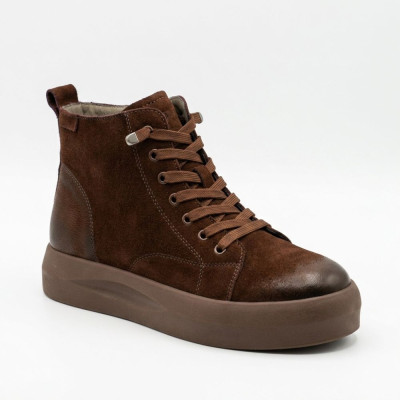
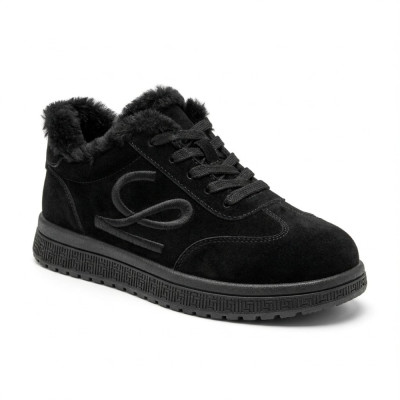
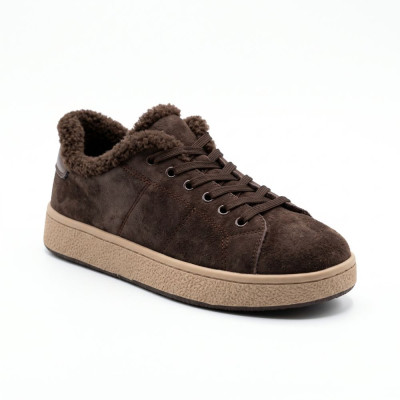
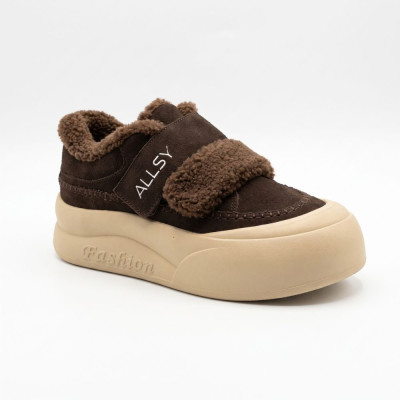
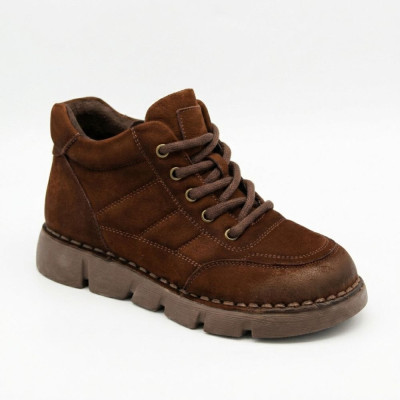
Mid-season and city

120 models

PU, TEP or rubber: light, with grip on wet asphalt.
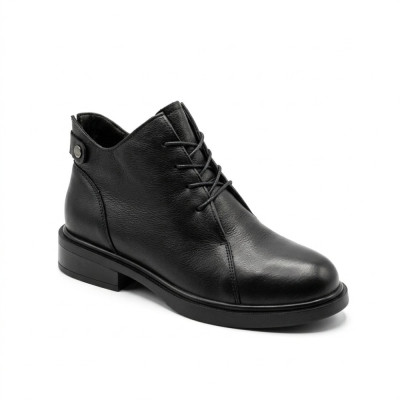
Classic and office

39 models

Tunit, TPU or leather: a slim, neat profile.

Summer

43 models

EVA and PU: light and springy.

No models match this filter.

FAQ

What is the best sole for a Ukrainian winter?

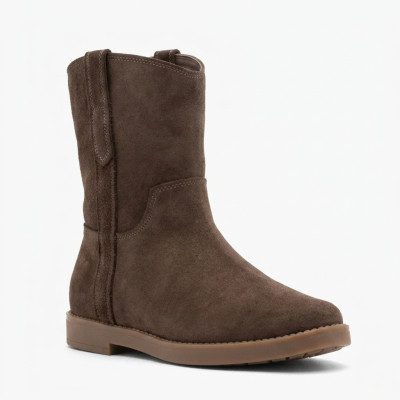
TEP (TPR), rubber or a dual PU+TPU sole with a deep tread. They stay flexible in frost and grip on ice. Avoid PVC, EVA and thin PU in winter.
Why do soles crack in winter?

Usually it is PU or PVC: in hard frost they stiffen and break at the flex point. Another cause is drying on a radiator, which dries out both the sole and the glue.

Are TEP and TPR different materials?

No, both names refer to the same thermoplastic rubber. Product descriptions use either.

How is tunit different from a leather sole?

Tunit is rubber with leather fibre. It wears better and copes with water, but it is stiffer and colder than genuine leather.

How do I find the sole material of a model?

Check the specifications on the product page. If it is not listed, message us on Telegram and we will check the pair in store.

Find a pair with the right sole

Order online with 1–3 day delivery or try on at KLASS mall in Kharkiv. 30-day warranty, 14-day returns.

Women's shoesMen's shoesAsk on Telegram
Written by: N-SHOES teamUpdated: October 2026
Comments