0₴
Checkout
Expert Analytics by N-SHOES
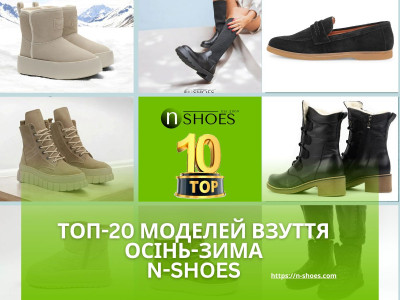
Winter Boots: Fashion Trends 2026–2027 & Ultimate Buying Guide
Modern winter fashion places strict demands on your everyday wardrobe. The Diia-inspired aesthetic means stripping away excess decor in favor of flawless engineering functionality, durable materials, and clean lines.
Global runways and pragmatic urban style have definitively shaped the fashion industry's trajectory for the 2026–2027 season. The core focus has shifted toward technology: winter footwear no longer forces a compromise between thermal insulation and visual appeal. Modern designs successfully integrate protective membranes, thickened lightweight soles, and premium natural materials into elegant urban silhouettes.
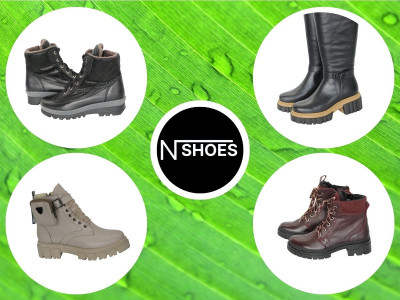
Key Trends for the 2026/2027 Winter Season
Style 01
Monochrome Ankle Boots
Minimalist models featuring sturdy architectural mid-heels. Characterized by clean lines, a lack of external hardware, and perfect adaptability for classic business suits or evening looks.
Utility 02
Urban "Dutiki" (Puffer Boots)
Technological puffer boots that have transitioned from the sports outdoor segment into high fashion. Nylon textures with special water-repellent impregnation provide absolute protection against wet snow.
Classic 03
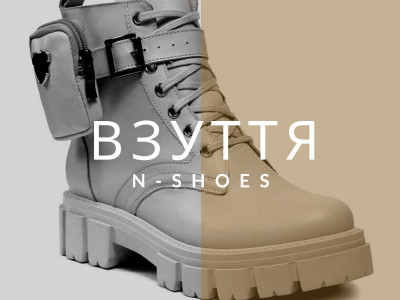
Biker Boots
The return of grunge aesthetics in a premium execution. Massive lug soles, dense matte leather, wide shafts, and authentic accent straps create a striking contrast when paired with lightweight everyday clothing.
Silhouette 04
"Oversize" Boots
Footwear with a loose, intentionally widened shaft that elegantly gathers into soft folds around the ankle. These models avoid a tight fit, creating a visual effect of lightness and emphasizing graceful lines.
Strategic Guideline: When purchasing winter boots, evaluate not only trend compliance but also the thermal resistance coefficient. For the 2026–2027 season, global brands are focusing on multi-layer insoles with thermal barrier properties and soles featuring low-density polyurethane to prevent freezing.
Selection Matrix: Comparing Winter Footwear Segments
| Model Category | Structural Height | Primary Use Case | Effective Temperature Range |
|---|---|---|---|
| Premium Ankle Boots | Ankle height | Business meetings, office spaces, indoor events | 0°C to -10°C |
| Technological Puffer Boots | Mid (above ankle) | Intensive city walking, active suburban recreation | -5°C to -22°C |
| Industrial Biker Boots | Mid-calf | Everyday Casual, long walks, shopping | 0°C to -15°C |
| Elegant Oversize Boots | High (knee level) | Aesthetic urban looks, pairing with dresses | +2°C to -12°C |
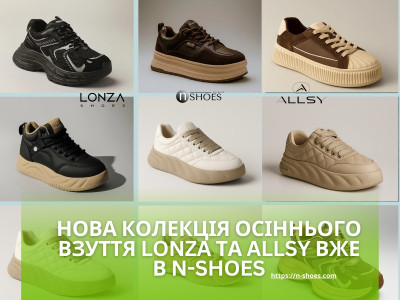
| Winter Urban Sneakers | Low / Mid | Dynamic movement, driving | 0°C to -15°C |
| Authentic Uggs (Anatomical) | Variable | Maximum comfort, dry frosts | -10°C to -25°C |
Criteria for Choosing High-Quality Winter Footwear: Expert Guide
01
Sole Architecture and Thickness
The minimum safe sole thickness for operation in Ukrainian winter conditions is 12–15 millimeters. A thin sole cannot retain heat, regardless of the quality of the internal fur. Pay attention to the tread depth (at least 3 mm) and chemical composition: the presence of thermoplastic elastomer (TPE) ensures flexibility at low temperatures and protects against critical slipping.
02
Evolution of Upper Materials
Top-grade natural smooth leather and certified nubuck remain the absolute leaders in durability. They possess a natural micro-porous structure that ensures healthy air exchange. Unlike synthetic eco-leather, natural materials do not lose their elasticity under the influence of low temperatures, are not prone to micro-cracking at flexion points, and are easily restored using basic care products.
03
Integration of Climate Membranes
For conditions involving sharp temperature fluctuations (thaws, wet snow, de-icing chemicals), footwear with a built-in hydrophobic membrane is a rational solution. This ultra-thin polymer layer blocks external moisture at the molecular level while freely venting internal evaporation outward, eliminating the "greenhouse effect" inside the boot.
04
Analyzing the Internal Insulation Layer
Dense natural sheepskin (mouton) possesses unique properties of natural thermoregulation. When choosing, always check the uniformity of the lining: unscrupulous manufacturers often use a combination technique—the visible part of the shaft is lined with sheepskin, while the toe box area is lined with a thin artificial analogue, leading to rapid overcooling of the extremities.
05
Internal Space Ergonomics
Buy winter footwear with a margin of free space—approximately 0.5 to 1 size larger than your summer metric. Constricting the foot blocks normal capillary blood circulation, causing your feet to freeze in a matter of minutes even in the warmest boots. The extra volume creates an air gap that acts as a natural thermal barrier.
Technical Specifications of Upper and Lining Materials
Natural Leather
Maximum level of waterproofing and resistance to aggressive chemical agents. Designed for long-term operation (3–5 seasons) subject to systematic treatment with fat-based creams.
Natural Nubuck
Sanded leather with a premium velvet effect. Boasts enhanced heat-retention properties. Requires initial deep treatment with waterproof nano-sprays.
Membrane Textile
Synthesized multi-layer structure for extreme conditions. 100% protection against liquid environments. Optimally suited for a dynamic lifestyle.
Mouton / Sheepskin
Eco-friendly insulator with high fiber density. Regulates the internal microclimate, absorbs excess moisture, and retains its original volume over prolonged wear.
Frequently Asked Questions by N-SHOES Customers
How do I correctly choose the size for winter boots online?
You should measure your foot length in centimeters at the end of the day, making sure to wear a medium-weight sock. Add 0.5 to 1 cm to the obtained value to create a thermal insulating air gap. Compare the resulting figure with the size chart of the specific European brand on our website.
What care is required for leather footwear exposed to salt and de-icing chemicals?
Immediately after returning from the street, clean the surface with a damp soft cloth without using soapy solutions. Dry the boots exclusively in a natural way, away from artificial heat sources (radiators). Before your next outing, apply a protective organic-based cream or a water-repellent emulsion.
What temperature range are N-SHOES winter models designed for?
Our store's assortment is differentiated for various climate conditions. Classic lines with wool lining are designed for European winters down to -10°C. Professional series featuring dense natural fur and technological puffer boots guarantee internal heat retention when temperatures drop to -25°C.
Can I wear suede winter boots during a thaw?
Wearing natural suede during wet snow is permissible only if the item has undergone preliminary three-stage treatment with specialized deep-penetrating dirt and water-repellent impregnations. In case of heavy soaking, suede footwear requires delicate drying and subsequent restoration of the nap using a special rubber brush.
Where in Kharkiv can I try on footwear before buying?
We invite you to visit our official physical N-SHOES store located at: Kharkiv, Donetskyi Lane, 18, "KLASS" Shopping Center (3rd floor), in close proximity to the "Gagarina" metro station. Here, the full model range of the current season is presented, with the possibility of professional fitting tailored to the individual characteristics of your foot.