0₴
Checkout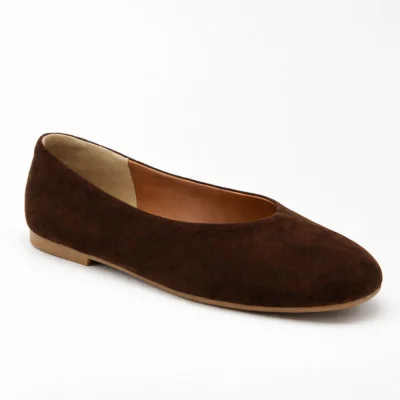
Definition
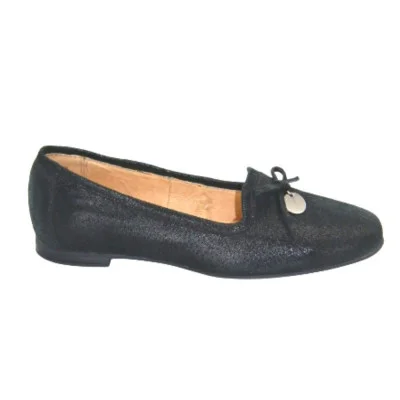
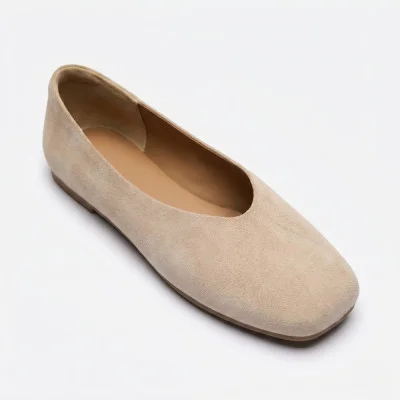
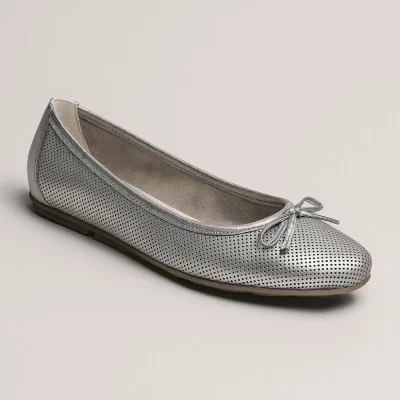
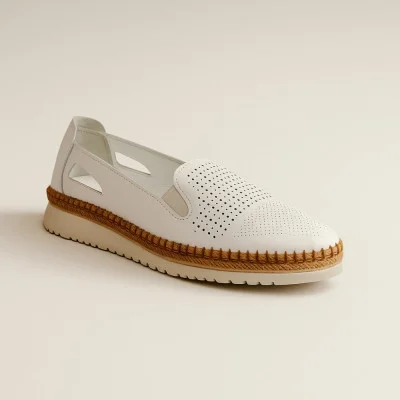
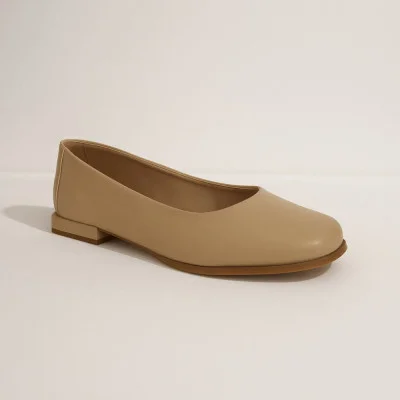
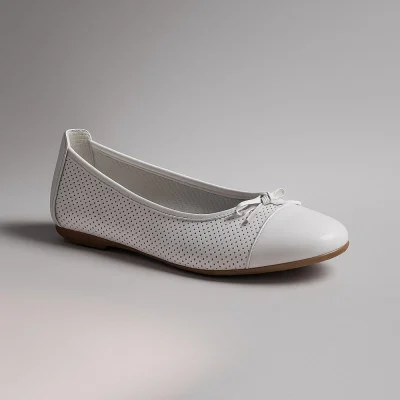
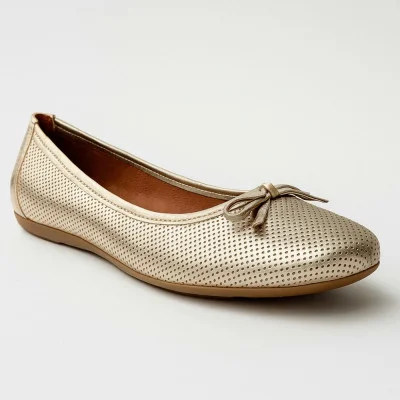
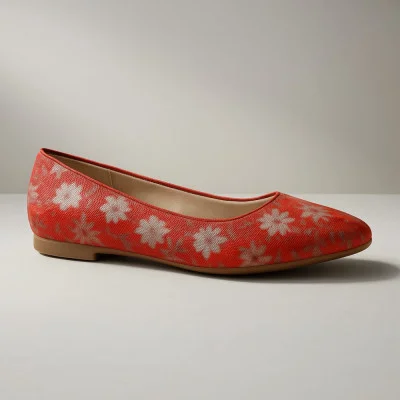
Ballet flats are women's slip-on shoes with a flat sole or a heel of up to 2 cm and a low-cut upper that leaves the instep visible. The name comes from the soft shoes of ballet dancers, which they resemble in shape.
History
Modern ballet flats came out of dance-shoe workshops. In 1947 Rose Repetto opened a ballet-shoe atelier in Paris, and in 1956 she made a pair for Brigitte Bardot for the film And God Created Woman. Audrey Hepburn wore flat shoes in 1950s films, and they became a symbol of effortless elegance. Since then ballet flats have regularly returned to designers' collections.
Construction
A pair consists of an upper, heel counter, insole and outsole. The upper is often finished with a soft binding or elastic so it hugs the foot. The toe shape — round, pointed or square — affects both look and comfort; a square toe gives the toes most room.
Materials
The most common are smooth leather, suede, nubuck, patent and metallic leather. Satin and textile are used for festive and summer models. Genuine leather lets air through and moulds to the foot over time.
Dance flats and pointe shoes
Ballet classes use soft shoes of leather or canvas with a full or split sole — they support the foot and let the dancer feel the floor. Pointe shoes have a hard box for dancing on the tips of the toes; dancers move to them after several years of training and only with the teacher's approval. Dance shoes are best bought in specialist shops and always after a fitting.
Care
Smooth leather is wiped with a damp cloth and conditioned with cream; suede is cleaned with a dry brush and an eraser. Before the first wear, shoes are treated with a water repellent. Ballet flats are dried at room temperature, away from radiators.
Ballet flats and health
A completely flat, thin sole cushions poorly and doesn't support the arch. For daily wear, orthopaedists recommend pairs with an anatomical insole and a 1–2 cm heel, alternated with other shoes. If your feet hurt or you have flat feet, choose shoes together with an orthopaedist.