0₴
Checkout
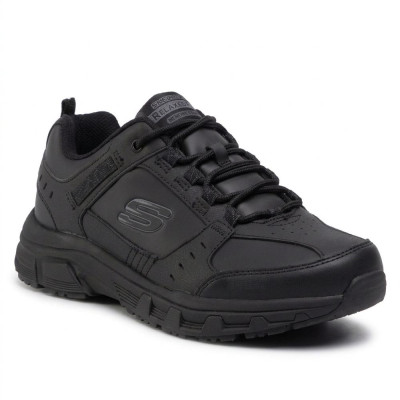
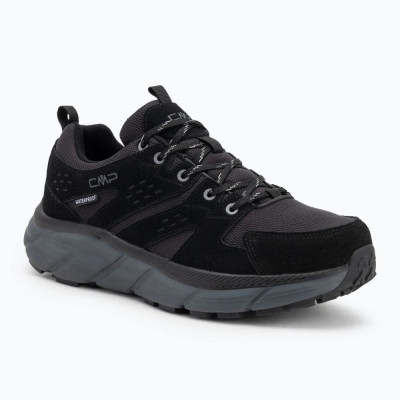
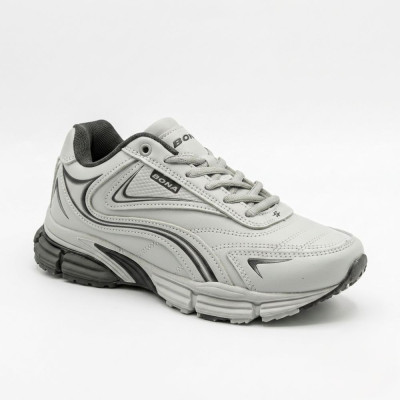
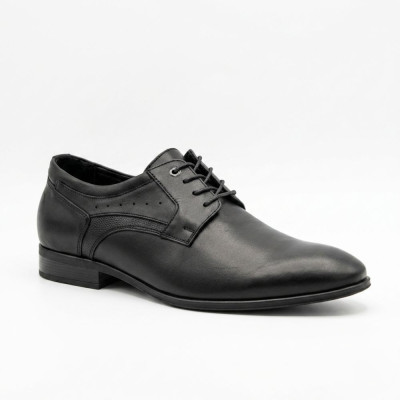
Parts of a shoe
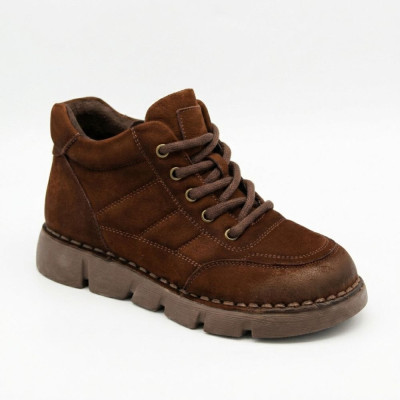
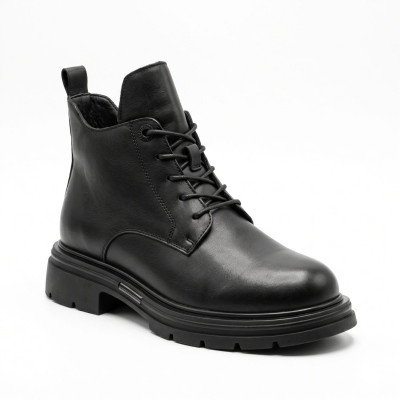
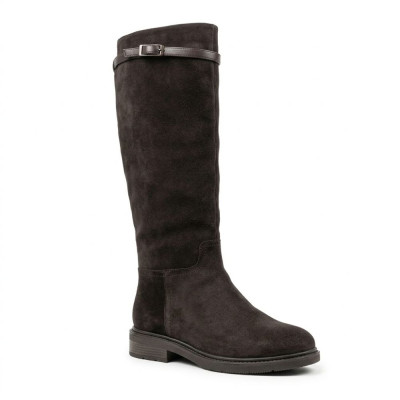
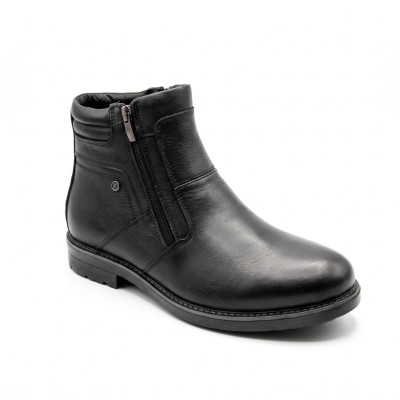
A pair consists of an upper, a lining, an insole and a sole. The upper includes the toe, the vamp over the toes, the quarters with lace holes and the heel counter that holds the heel. Stiff parts — the toe puff and the counter — keep the shape at the front and back. Between the insole and the sole sits the shank, a springy insert that supports the arch.
Sizing systems
Europe uses the Paris point system: one point equals 2/3 cm, and size is based on insole length. The metric system used in Ukraine gives foot length in centimetres or millimetres. British and American systems are measured in inches and differ for men's and women's shoes, so the same size can fit differently across brands.
Width and last
Besides length, footwear has a width — measured at the widest part of the foot. It is set by the last, the form a pair is made on. European brands often use a medium width; models with an anatomic, or wide, toe suit wide feet and a high instep.
Upper and lining materials
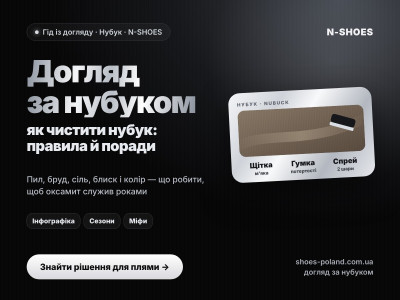
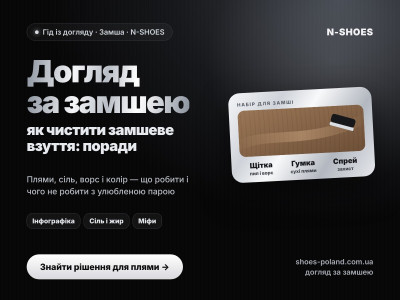
Genuine leather is strong, breathable and adapts to the foot over time. Suede and nubuck are softer with a napped surface but need protection from moisture. Textiles are light and breathable, while membrane fabrics keep water out yet let vapour escape. Linings are made of leather, textile, flannel, wool or natural fur depending on the season.
Insole
There is the board insole, to which the upper is attached, and the removable footbed the foot rests on. Footbeds can be leather, textile, latex or memory foam. An anatomic insole follows the contours of the foot, supports the arch and reduces joint load; a removable one can be dried or replaced with an orthotic.
Sole attachment
Soles are cemented, stitched or injection-moulded directly onto the upper. Cementing is the most common method and makes a light pair. Stitching, including welted construction, makes a strong, repairable shoe. Injection moulding creates a seamless one-piece bond that protects well against moisture.
Signs of quality
Quality shows in the details: straight seams without loops or skips, no glue marks, symmetrical eyelets and holes, a zip that runs smoothly. Left and right shoes match in colour, heel height and toe shape. The insole lies flat, and the lining has no folds that could rub.
How to try shoes on
Try on both shoes, wearing the socks or tights you will use. Do it in the afternoon, when the foot is largest. Walk on a hard floor and rise onto your toes: the heel should not slip, the toes should not hit the end, and the flex point should match the natural bend of the foot.
Care
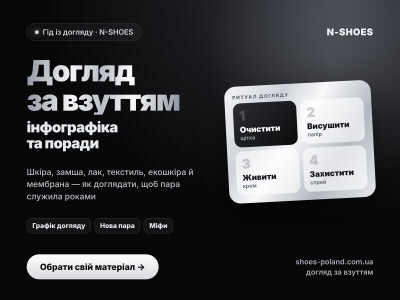
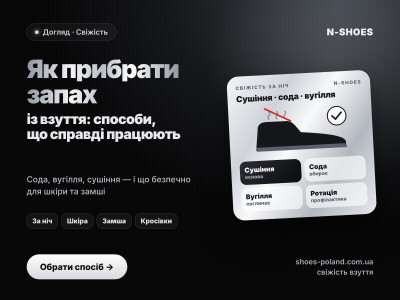
Treat new shoes straight away with a protector suited to the material. After wear, dry them at room temperature away from radiators and use shoe trees or paper. Feed leather with cream, brush suede and nubuck. Rotating two pairs lets each dry out and last longer.