0₴
Checkout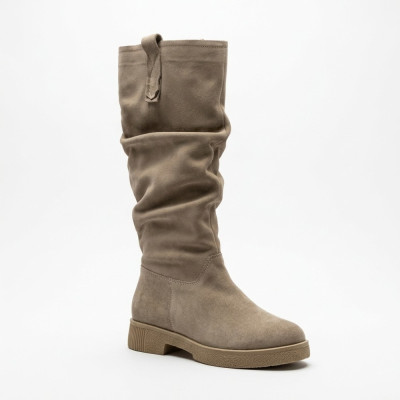
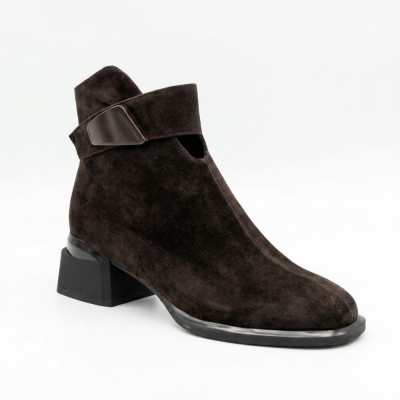
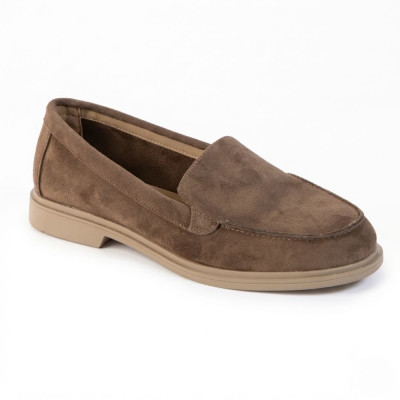
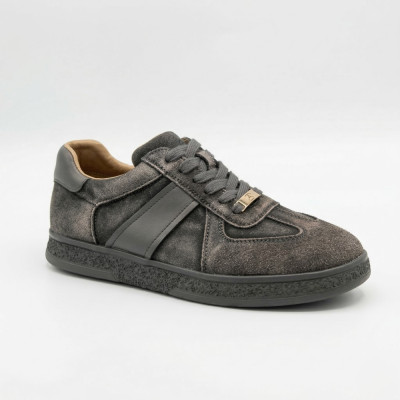

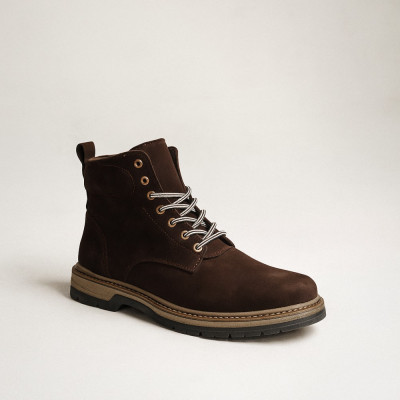
Definition
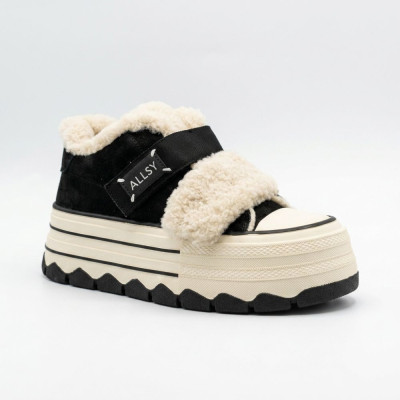
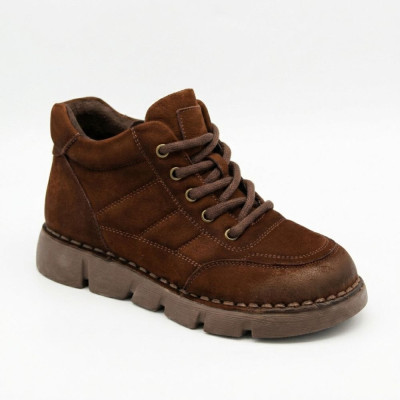
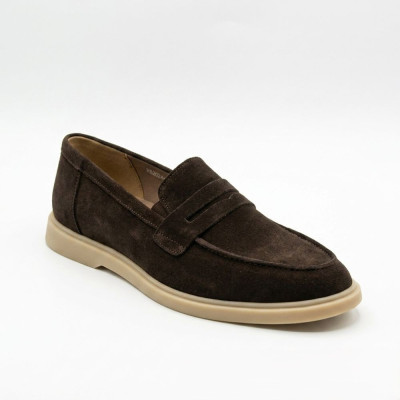
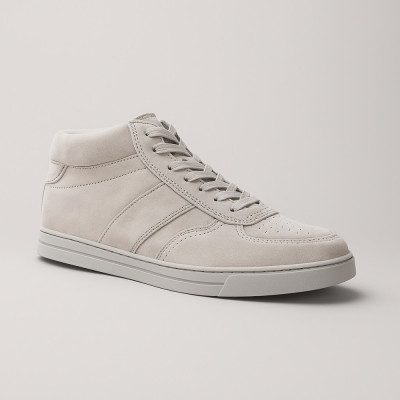
Suede is natural leather with a soft napped surface, made by buffing the flesh side of a hide or a split. Sheep, goat, calf, deer and pig skins are used. The nap makes the material velvety to the touch and matte in appearance, while the absence of a grain layer makes it light and supple.
Etymology and history
The English word comes from the French «gants de Suède», «gloves from Sweden»: in the 19th century soft Swedish gloves were prized for their napped inner surface. The Ukrainian «замша» came through Polish «zamsz» from German «sämisch», the name for oil-tanned leather. In the 20th century suede became a symbol of relaxed elegance, from desert boots to loafers.
Related materials
Nubuck is leather buffed on the grain side: the nap is short and the surface dense and velvety. Velour is leather napped on the flesh side, usually coarser and more practical than suede. Faux suede is a microfibre textile with a similar texture; it tolerates water better but breathes less.
Care principles
Key rules: clean only dry shoes; brush against the nap first to lift dirt, then with it; use products made for suede and nubuck; dry at room temperature, away from heaters. Cream for smooth leather is not suitable, as it glues the nap and creates shine.
Storage
Off-season, the pair is cleaned, protected, fitted with shoe trees or stuffed with paper and kept in a cotton bag or a box with vents. Plastic traps moisture and can cause odour and mould. The storage place should be dark and dry so the colour does not fade.