0₴
CheckoutThe Ultimate Guide: How to Choose Wedding Shoes for the Bride and Groom
Imagine: the cake is cut, the guests are dancing, but with a smile on your face, you are thinking about only one thing — how to quietly take off your shoes under the table. According to internal statistics from wedding planners, over 70% of newlyweds experience acute physical discomfort as early as the third hour of the banquet. Almost always, the reason is the same: incorrectly chosen wedding shoes.
This guide is not just another list of style tips. It is a practical algorithm from the experts at N-SHOES: how to choose wedding shoes for the groom and bride so that they combine anatomical comfort, flawless style, and confidence when ordering online without trying them on.
"According to industry data, over 60% of buyers are abandoning 'disposable' wedding models in favor of footwear that can be worn after the celebration. The choice has changed: the era of 'beautiful, but painful' has officially come to an end."
You will learn which models combine festivity and comfort, how to accurately measure your foot for an online order, why genuine leather is a strict necessity rather than a whim, and how to avoid wasting money on shoes that will lie in the closet for twenty years.
Wedding Fashion 2027–2028: The End of the "Disposable" Shoe Era
The wedding fashion market is experiencing a quiet revolutionary turning point. If a decade ago "wedding shoes" meant a 10-centimeter stiletto, white satin, and a single wear, the modern buyer thinks about the wardrobe value of every single purchase.
The main trend is avoiding the "wedding tax." Brands often inflate prices on specialized bridal lines by 30-60%. Experienced newlyweds look for shoes by characteristics — the precise color, optimal heel height, and high-quality materials — rather than relying on bridal marketing.
"We have a fundamental rule at N-SHOES: we never tell a customer that a pair is 'just for the wedding.' Quality pumps, loafers, or elegant flats are a wardrobe investment for years. The wedding is just the first public appearance of this pair."
Women's Wedding Shoes: From Classic to Comfort
The traditional stiletto is no longer the sole standard. Modern brides choose among dozens of formats depending on the location, dress style, and personal sense of comfort. Here are the top categories for the upcoming season.
Classic Pumps and Block Heels: Elegance Without Sacrifice
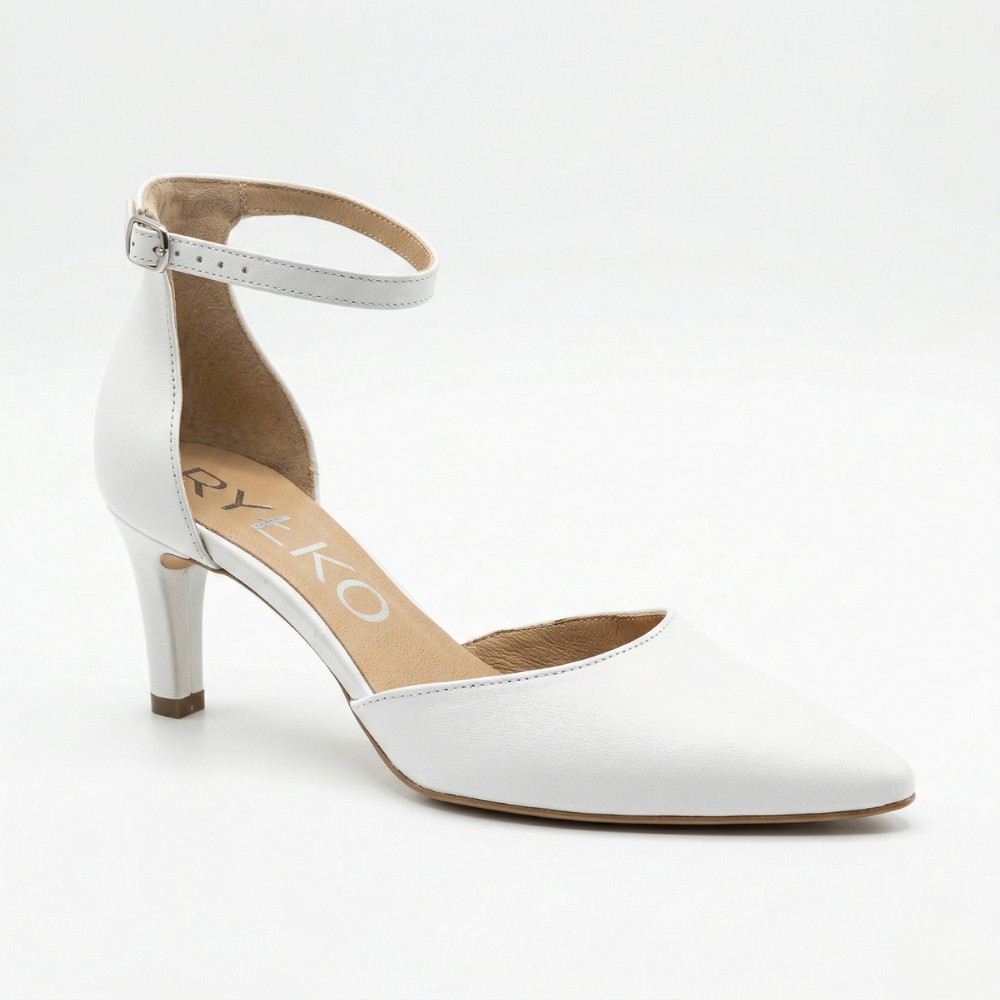
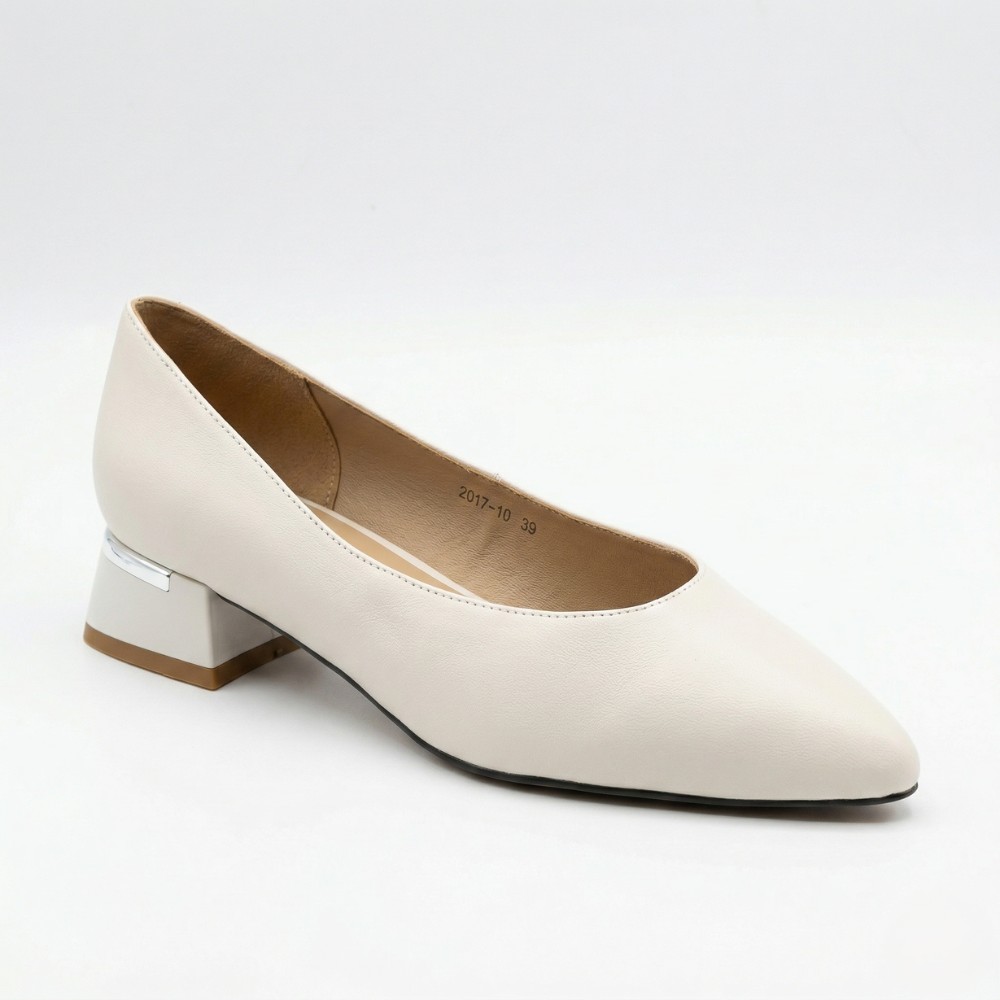
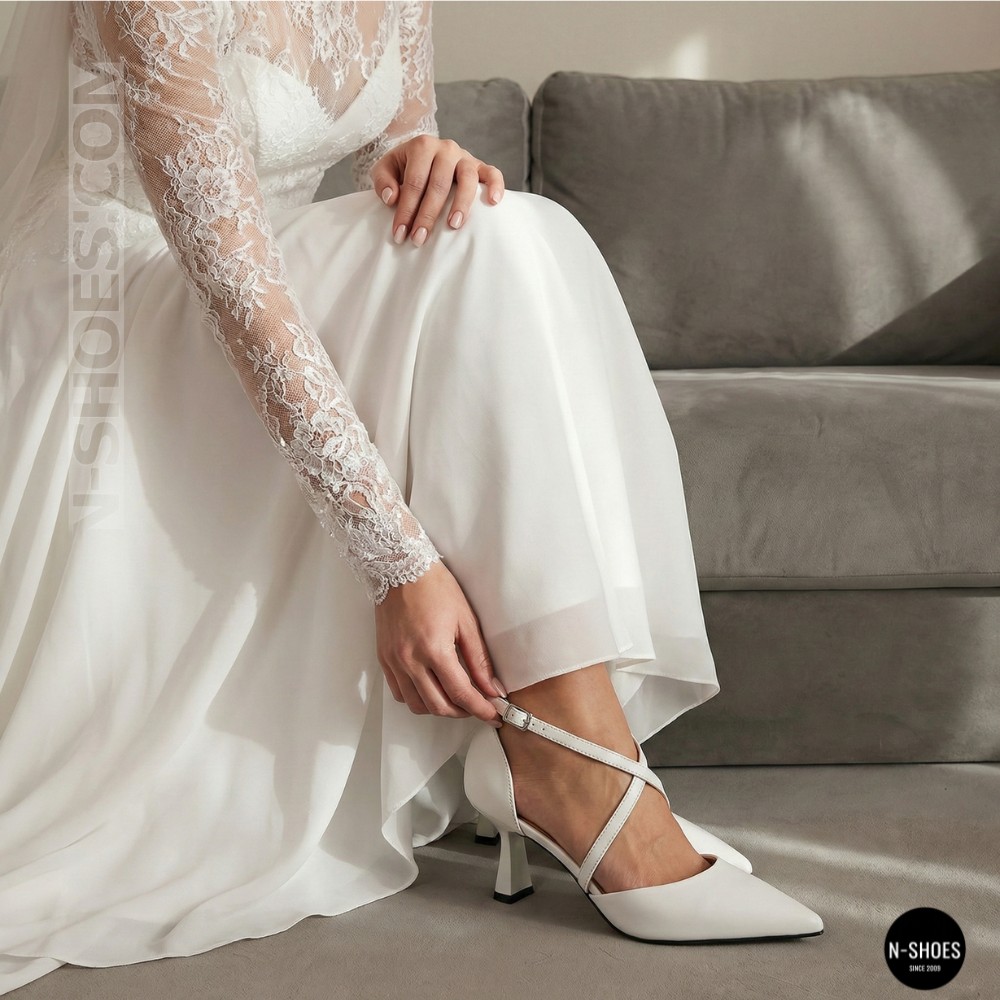
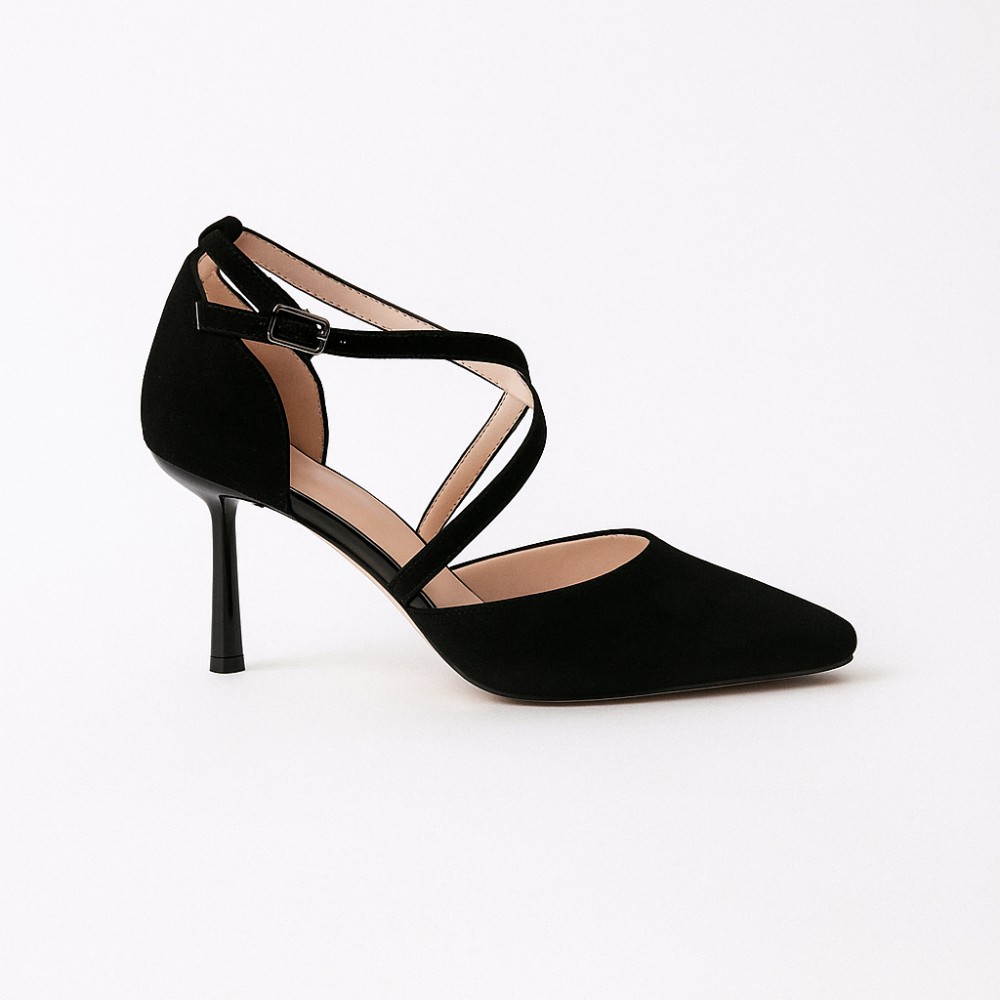
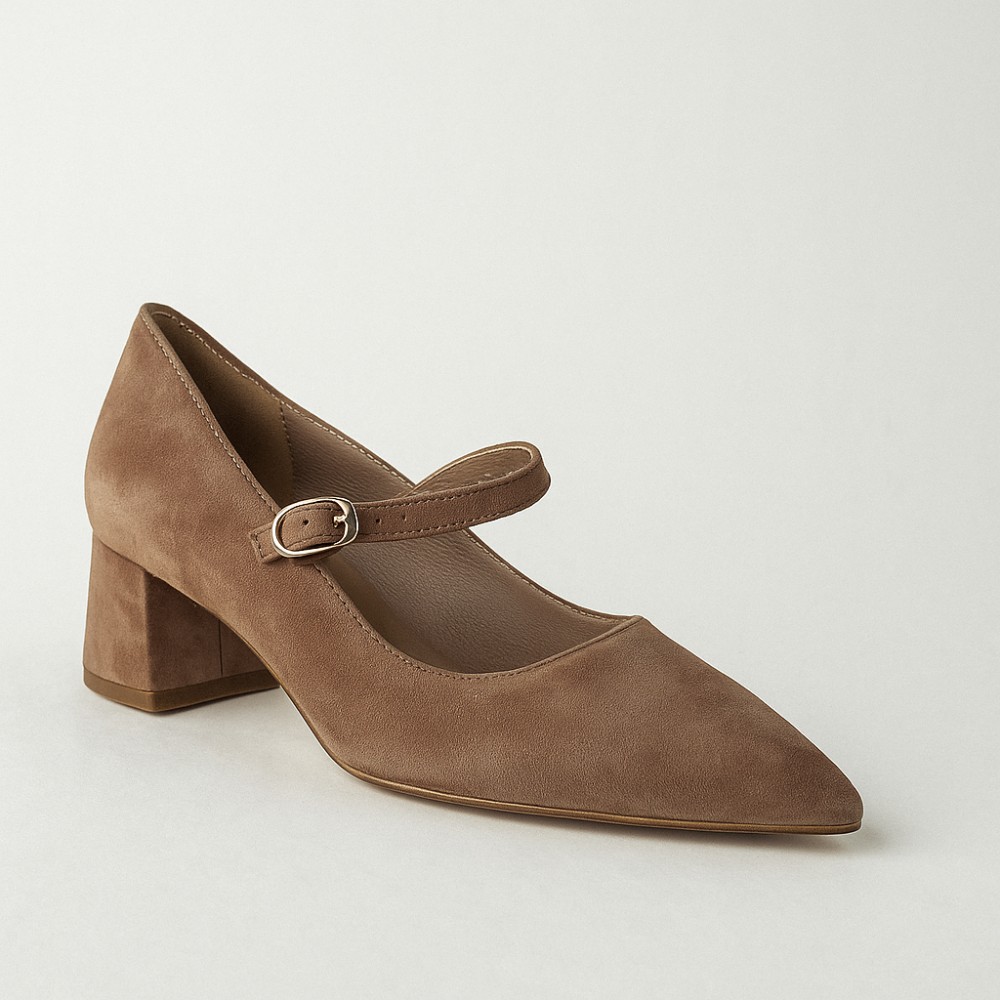
Pumps with a block heel (5–7 cm) offer the perfect balance between formality and comfort. A stable, wide heel distributes the load much more evenly than a thin stiletto. During a lengthy banquet, the physical difference is monumental.
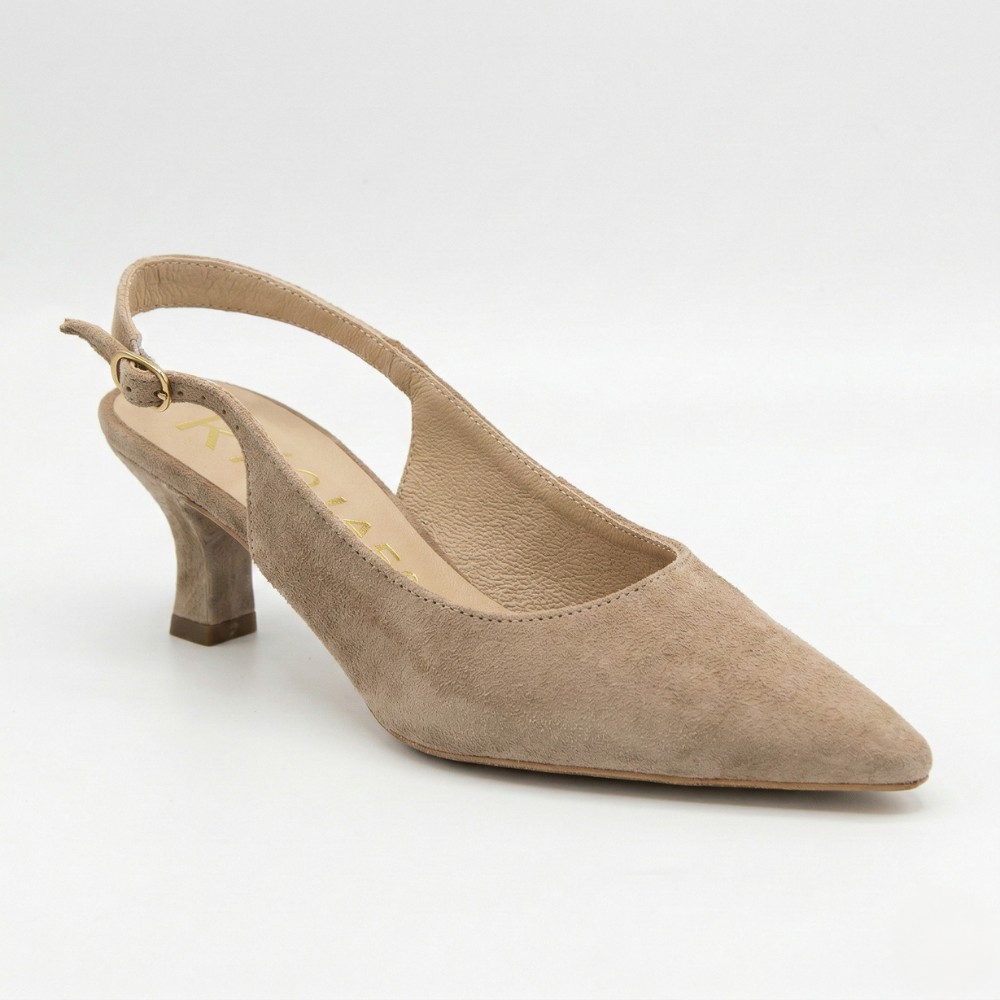
Kitten Heels feature a thin but low heel of 3–5 cm. They provide graceful arch elevation without overloading calf muscles or joints, making them ideal for dynamic ceremonies and prolonged photo sessions. Ankle straps are highly recommended, minimizing the risk of the shoe slipping off.
Flats and Low Heels: The Modern Manifesto
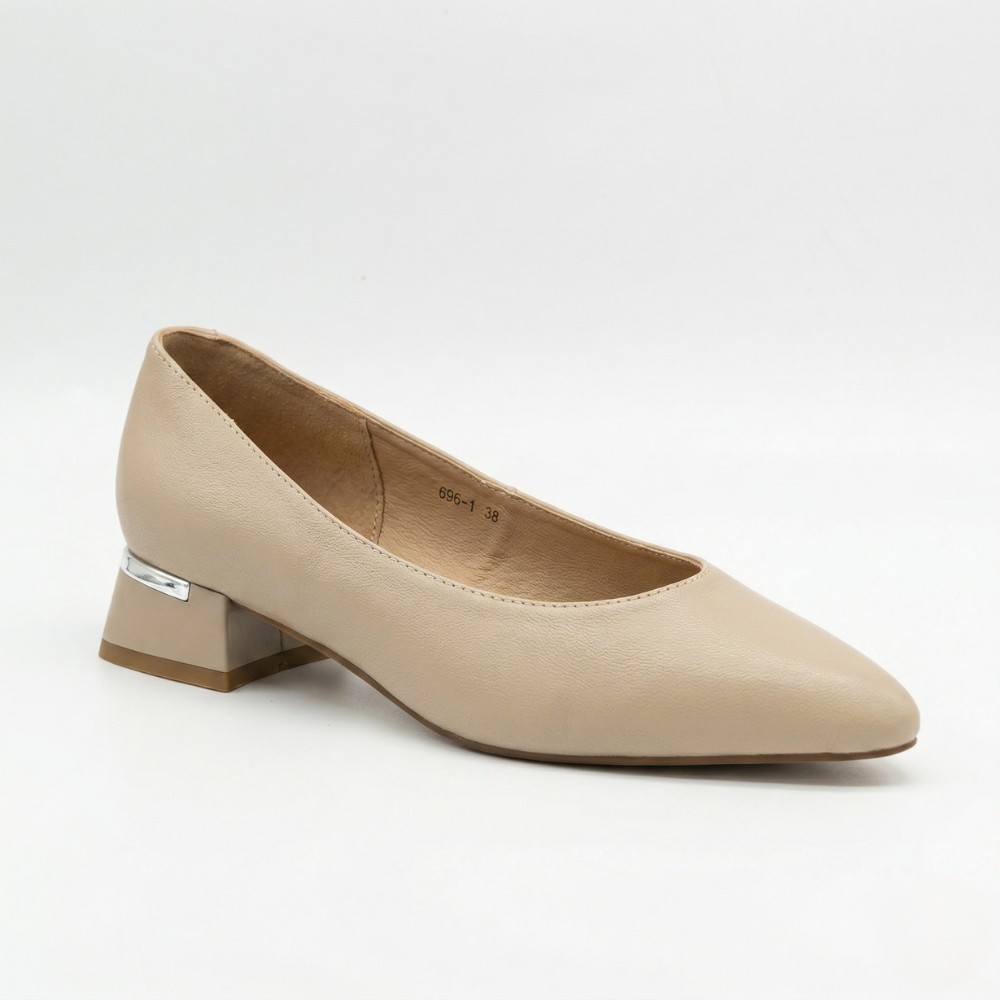
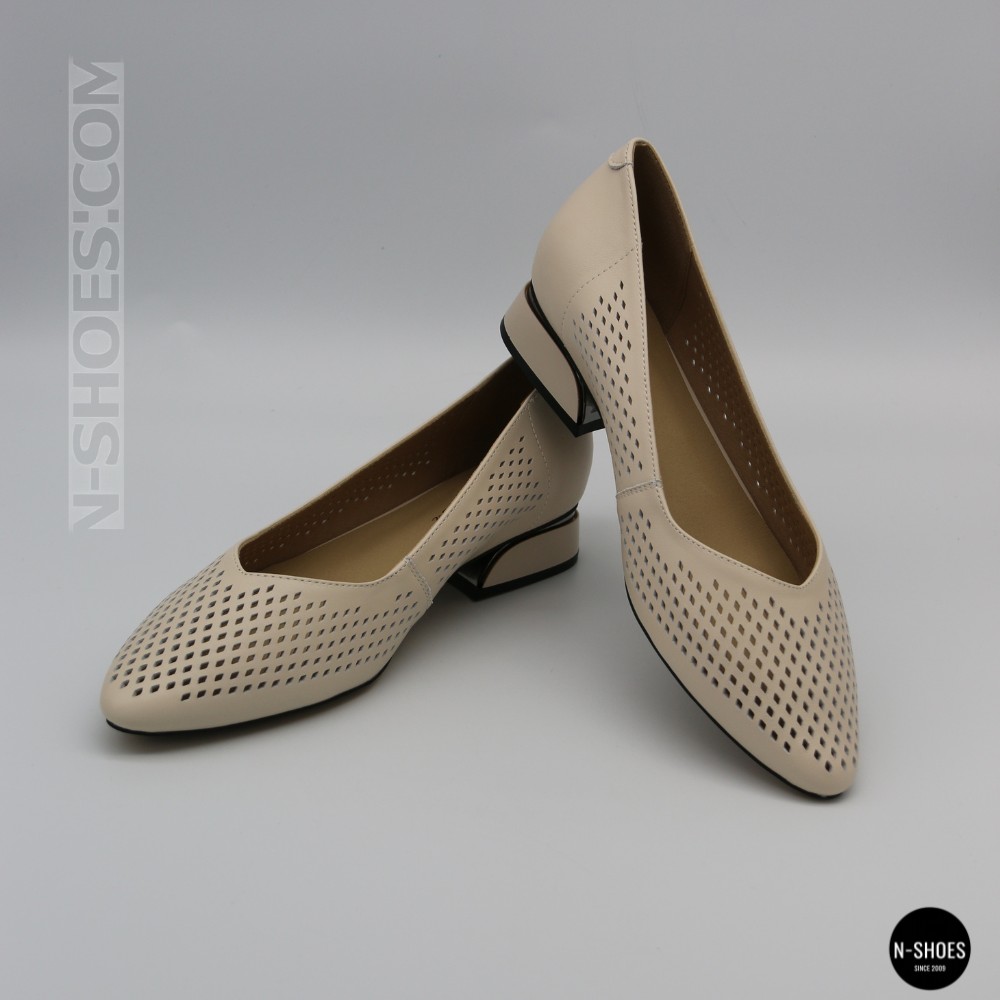
Flat wedding shoes are the leading choice for practical brides. The absence of a high heel is no longer seen as a dress code violation; it is a display of intelligence.
- Flats with decor — Minimalist designs featuring clean cuts or subtle details. A modern redesign of classic flats looks incredibly elegant.
- Anatomical models — Footwear that takes into account the natural shape of the foot, featuring a slightly asymmetrical toe.
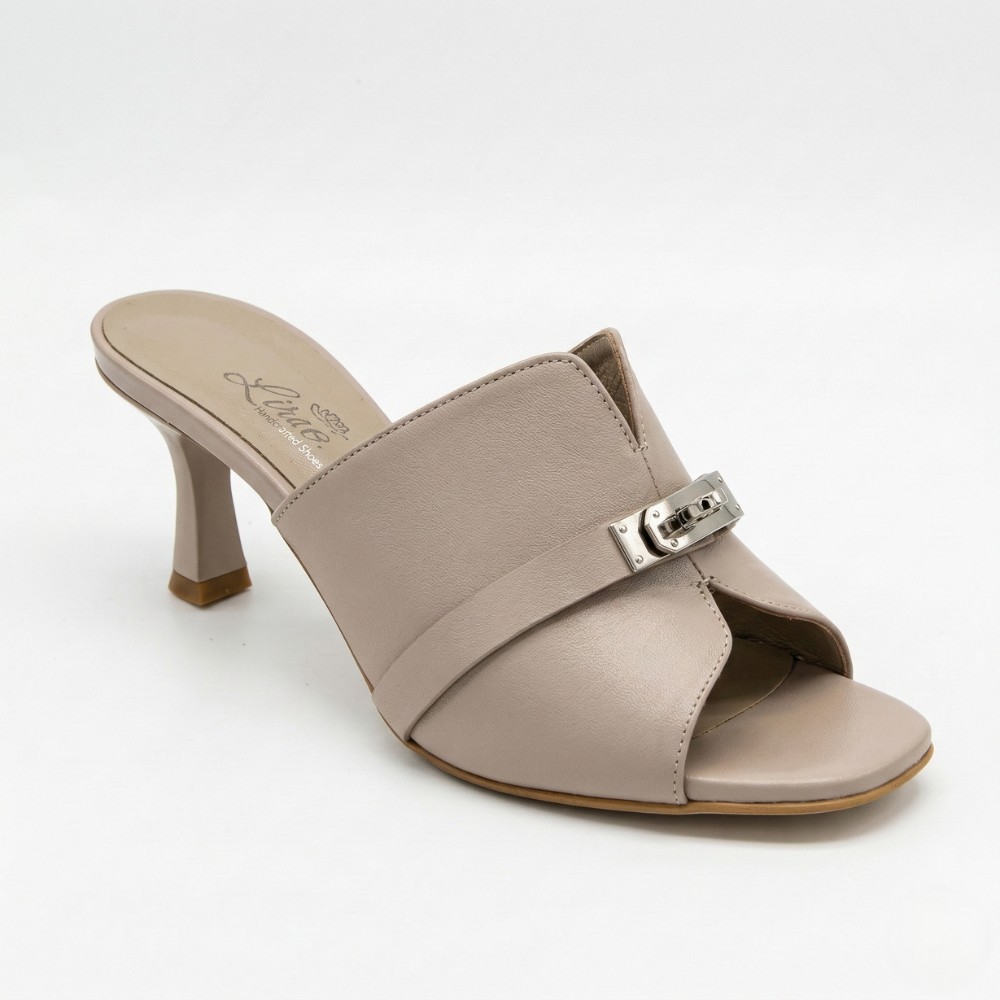
- Mules and Low Blocks — Brilliant solutions for pastel-toned dresses, outdoor environments, and boho-style aesthetics.
Sandals: Open Beauty for Outdoor Ceremonies
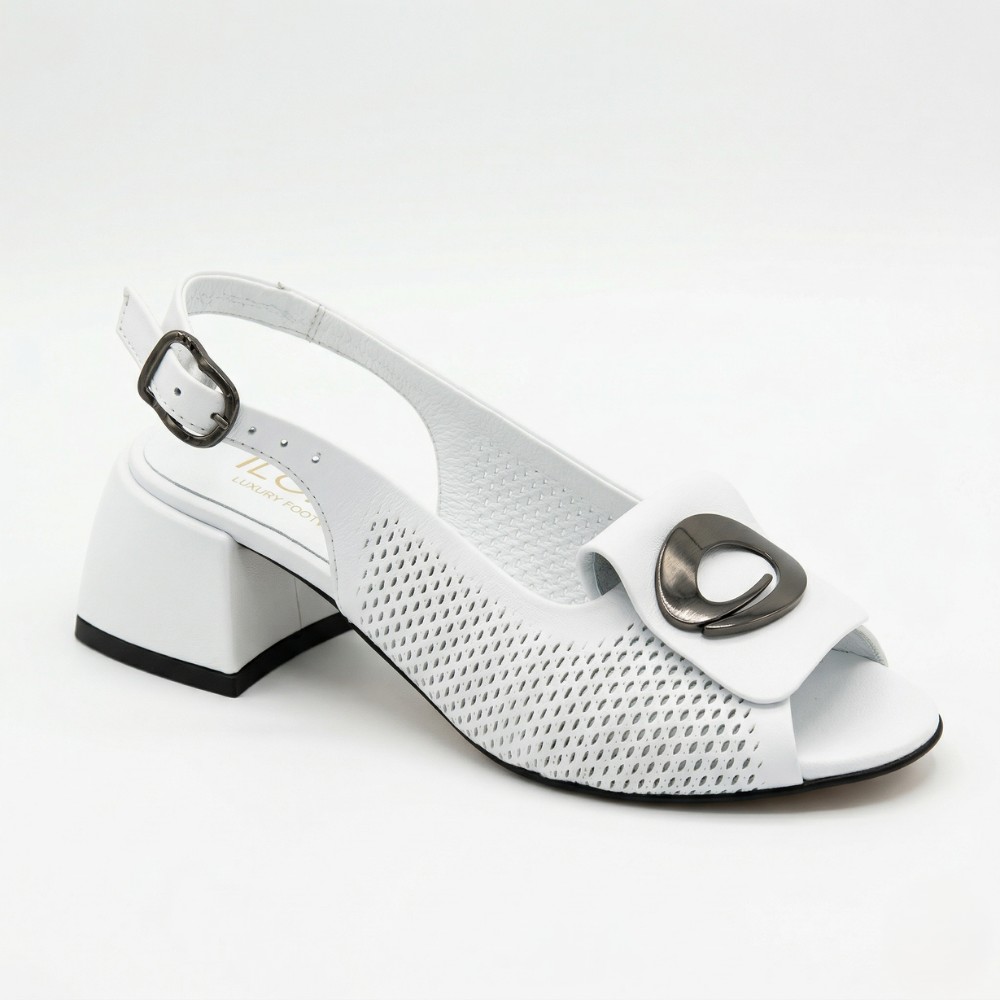
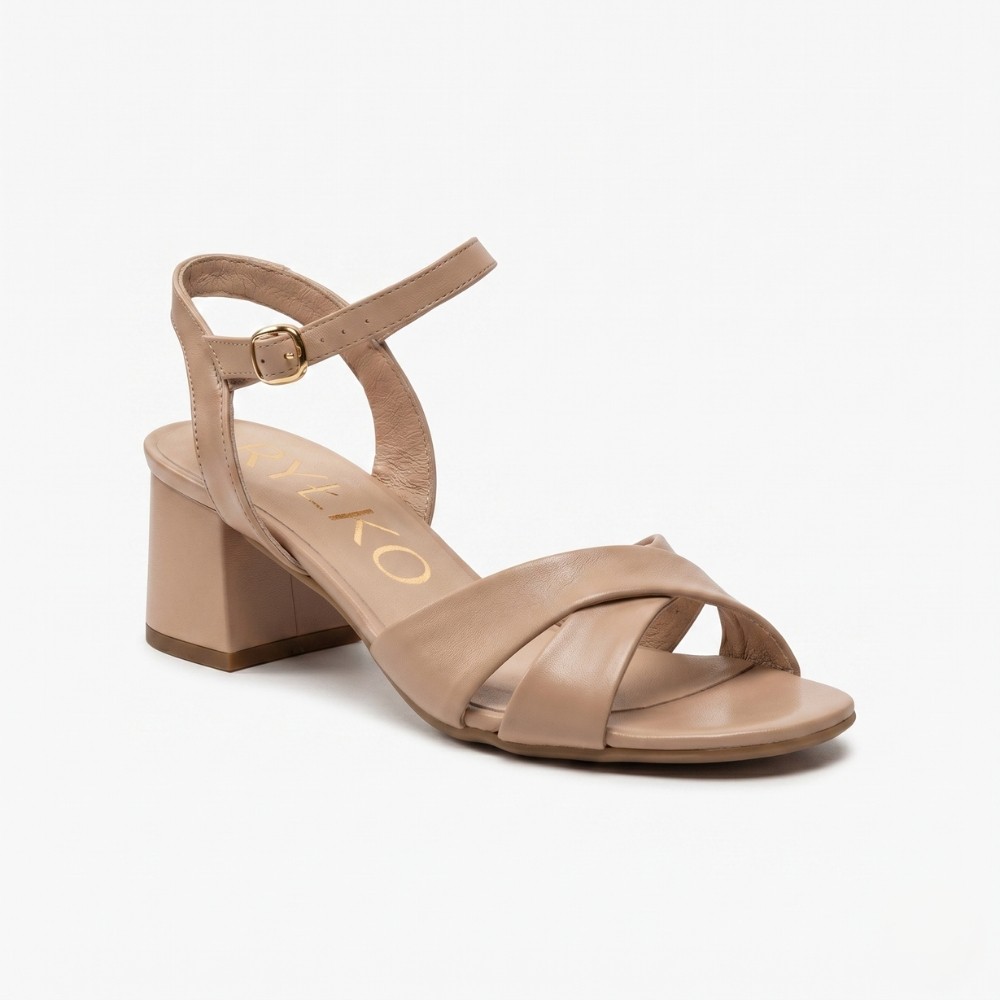
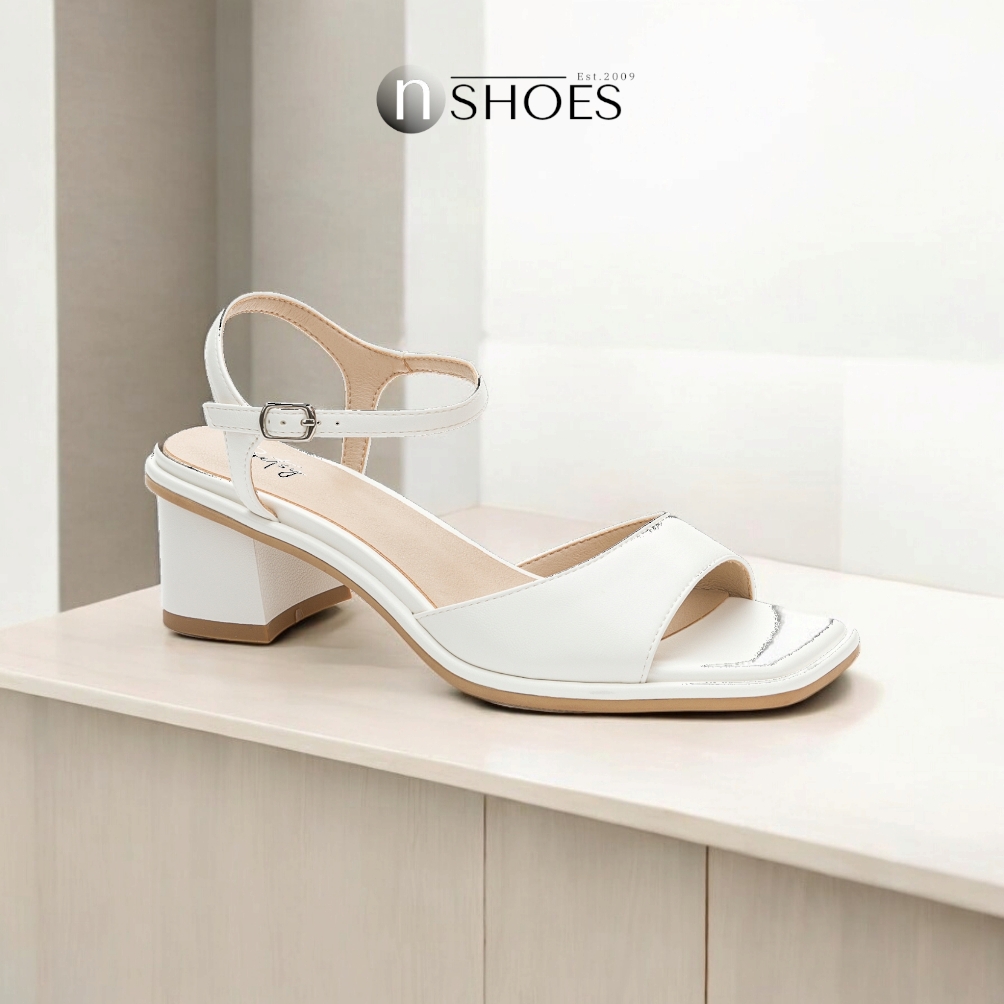
For outdoor ceremonies set in nature, near water bodies, or on uneven terraces, sandals with block heels are superior to stilettos. Thin heels instantly sink into grassy soil or slip between paving stones, whereas block heels guarantee stability.
An Important Medical Directive
From a medical perspective, wearing 10-12 cm heels for 10-14 hours places extreme stress on the musculoskeletal system. For conditions such as varicose veins, pregnancy, or physical footprint anomalies (like plano-valgus deformity), flat footwear or low block heels are absolute necessities to prevent long-term joint and vein damage.
Men's Wedding Shoes: Format, Etiquette, and Trends
In classic men's style, footwear dictates the understanding of etiquette. Finding the right pair involves balancing event formality with the groom's individual comfort capabilities.
Oxfords, Derbies, and Brogues
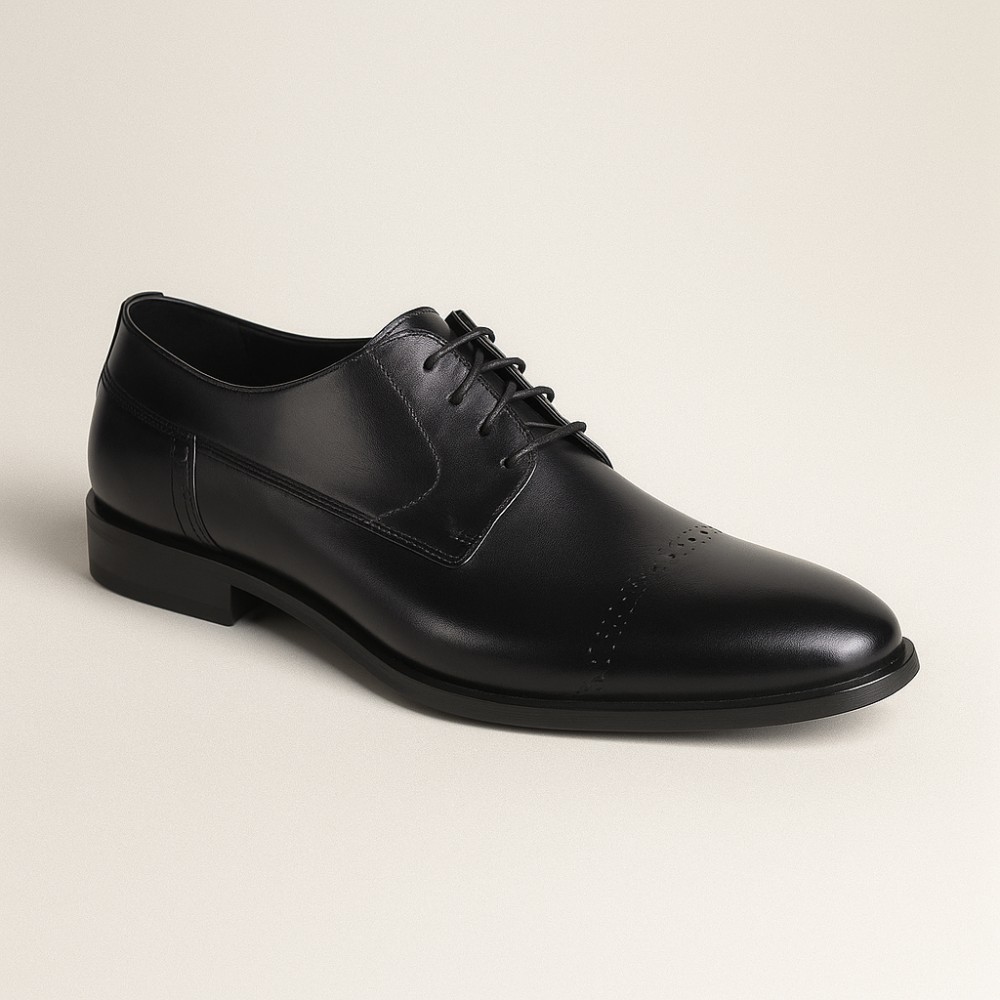
Oxfords stand at the pinnacle of formal menswear. Unperforated, smooth black leather oxfords are the only acceptable pairing for tuxedos and high-formality tailcoats.
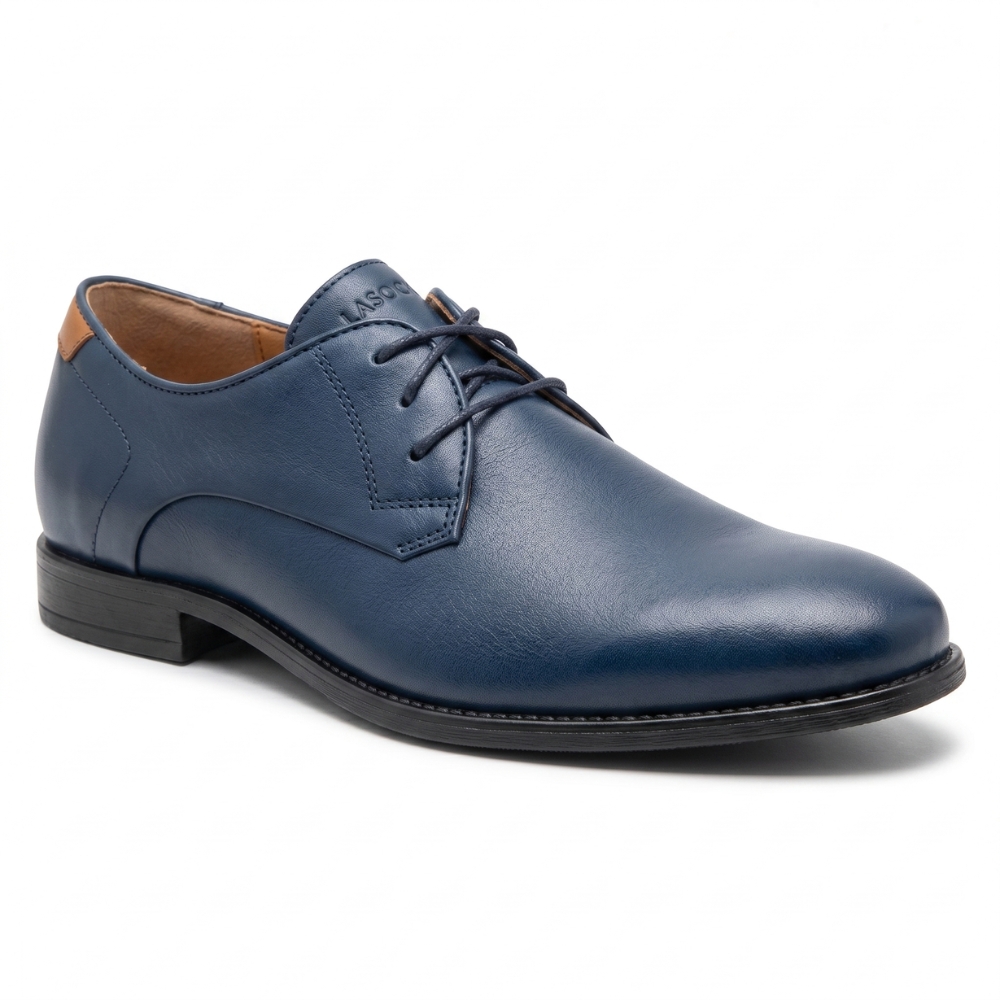
Derbies feature an open lacing system, providing phenomenal comfort for men with high arch insteps. Dark derbies represent the optimal standard for traditional wedding suits.
Loafers, Moccasins, and Modern Sneakers
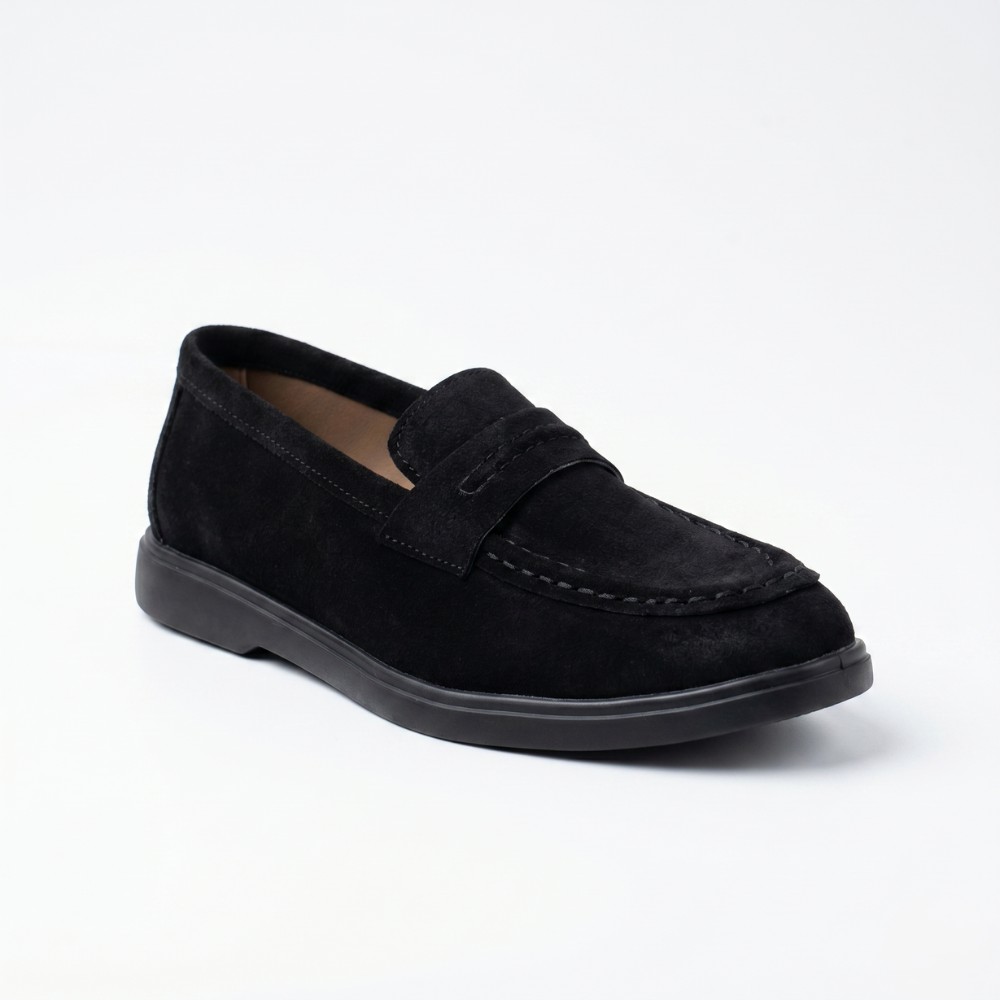
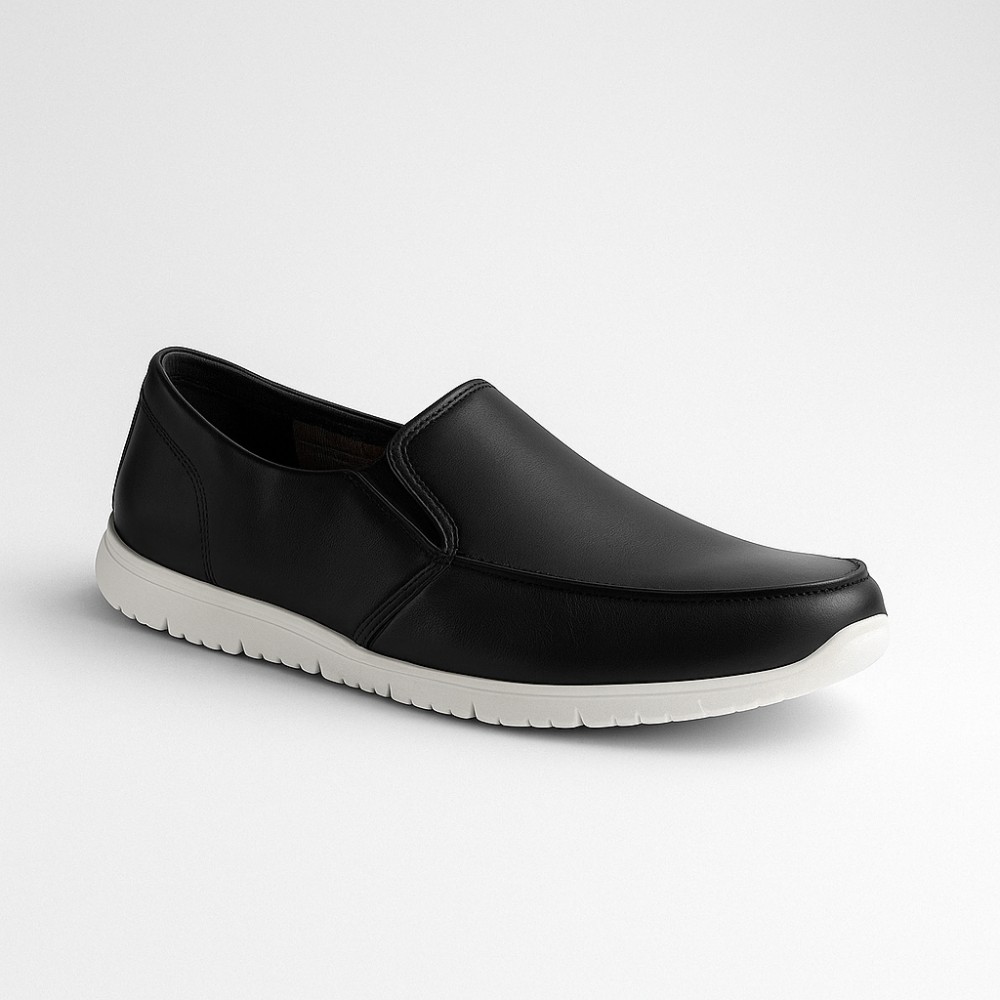
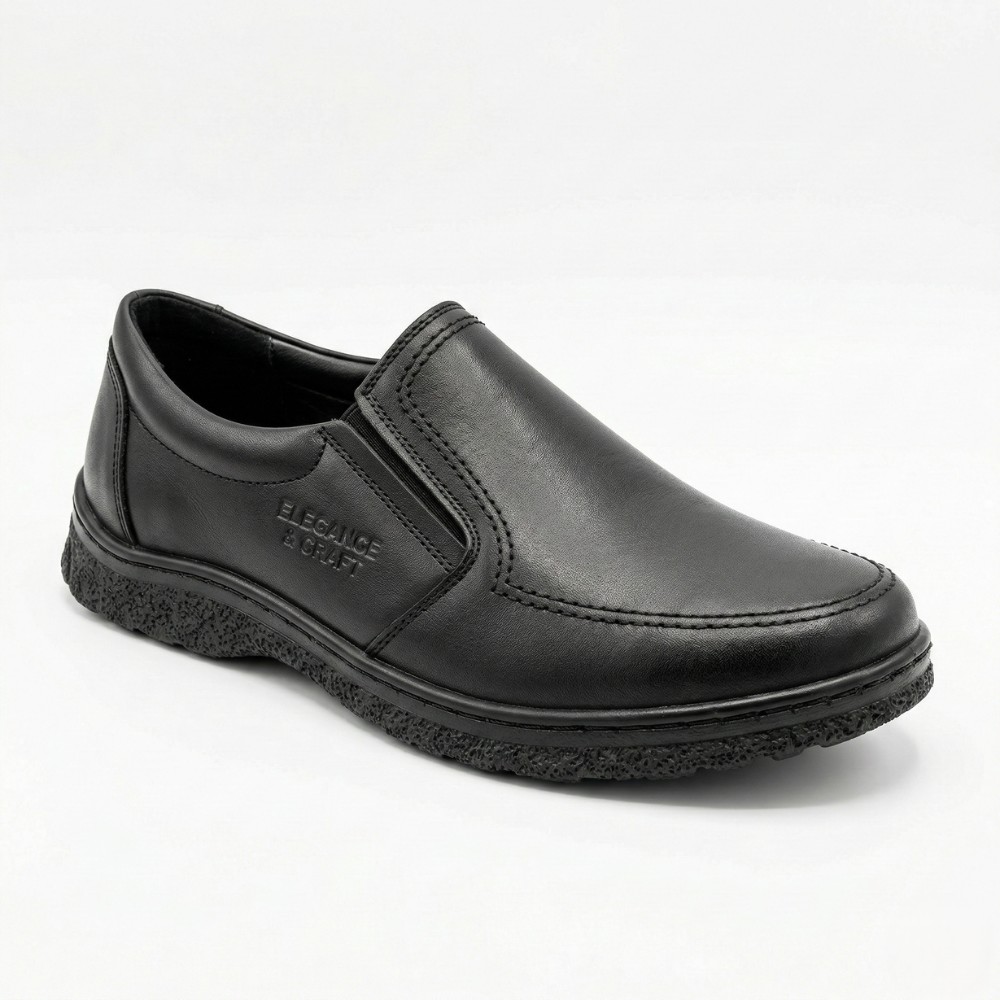
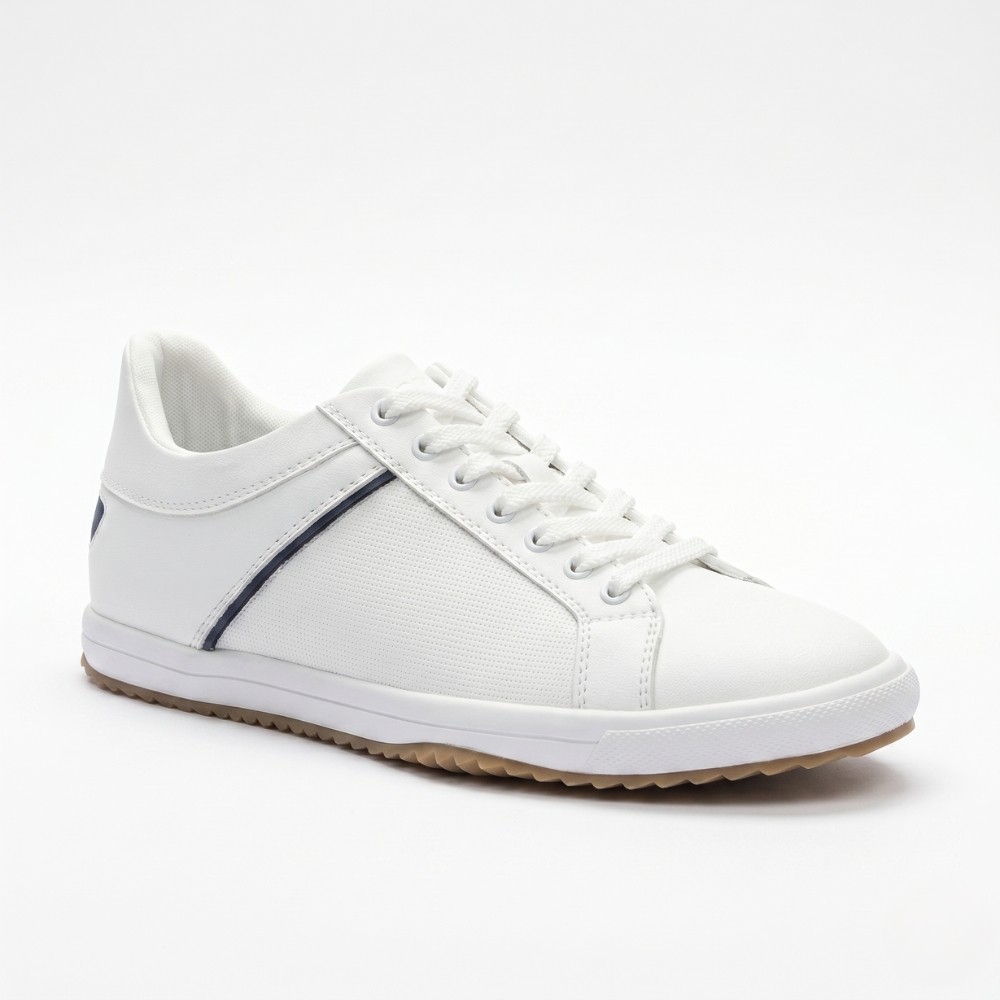
For more relaxed, outdoor, or conceptual weddings, strict rules give way to smart-casual elegance. High-quality loafers, sleek slip-ons, and pristine leather sneakers pair excellently with unstructured suits and linen.
Styling Guide: Matching Colors Correctly
The primary sartorial law dictates that shoes should inherently be darker than the suit tone or match it strictly. The tables below map proper styling standards for the groom.
| Suit Color | Recommended Shoe Color | Critical Style Violations |
|---|---|---|
| Black | Strictly Black | Brown and tan tones are forbidden |
| Navy Blue | Black, dark brown, deep burgundy | Be cautious with overly light tans |
| Grey (Light) | Black, brown, burgundy | — |
| Grey (Charcoal) | Black, dark burgundy | Light brown creates stark imbalances |
| Brown | Darker shades of brown | Black visually clashes |
| Shoe Type | Lacing Layout | Formality Level | Corresponding Attire |
|---|---|---|---|
| Oxfords | Closed | Black Tie / High | Tuxedos, structured classic suits |
| Derbies | Open | High / Medium | Classic suits, premium chinos |
| Brogues | Variable (Perforated) | Medium / Casual | Tapered trousers, tweed material |
| Loafers | Laceless | Medium / Casual | Linen pants, lightweight fabrics |
How to Ensure Accurate Sizing Online
The primary barrier to ordering shoes online is fear of sizing errors. Do not rely entirely on your standard metric, as molds vary dramatically depending on the manufacturer and the specific last.
"By the end of your wedding day, natural physiological swelling will make your foot 0.5 to 1 cm longer and wider compared to the morning hours. Size planning is vital."
The accurate measurement protocol:
- Timing: Perform measurements strictly in the late evening when the foot is naturally expanded.
- Positioning: Place a blank sheet of paper squarely against a wall. Stand fully on it, transferring your entire weight downward.
- Length calculation: Mark the furthest point of your heel and the absolute tip of your longest toe. Measure the distance.
- Margin application: Add exactly 0.5 to 1 cm of margin. This finalized number is your ideal insole length.
N-SHOES Guarantee: Your wedding day deserves uncompromising comfort and impeccable visual execution. At N-SHOES, we hand-pick selections that endure both intense banquet energy and daily urban life securely. Select your perfect pair today and step into your new family life with absolute confidence.
Photos
-1200x900.jpg)
-1200x900.jpg)
-1200x900.jpg)
-1200x900.jpg)
-1200x900.jpg)
-1200x900.jpg)
-1200x900.jpg)
-1200x900.jpg)
-1200x900.jpg)
-1200x900.jpg)
2026-05-13 23:00:00
Comments:0
Views:3537
Comments